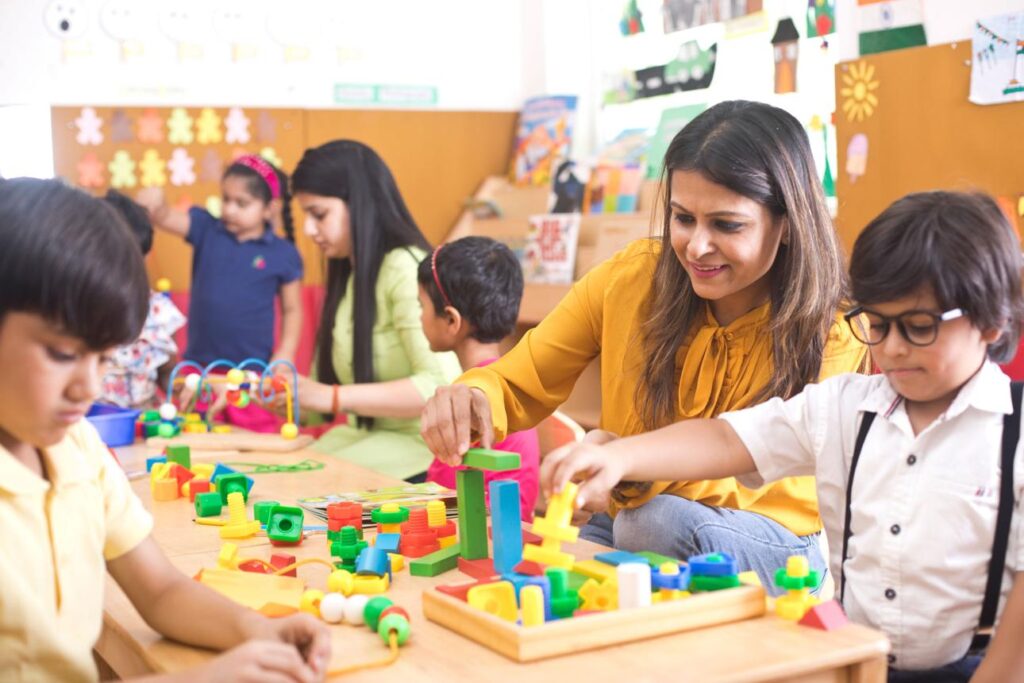
Choosing the right preschool is one of the most important decisions for a child’s early development. It is not just about academics, but about building a strong foundation for a child’s future learning, behavior, and personality. A good preschool creates a safe, engaging, and nurturing environment where children feel comfortable exploring and learning.
Parents often feel confused due to the number of options available. Each preschool may offer different teaching methods, facilities, and programs. That’s why it is important to understand what truly matters when selecting the right preschool for your child.
Taking time to research, visit schools, and ask the right questions can make a big difference. The goal is to choose a preschool that aligns with your child’s needs and supports their overall growth.
1.Safe and Child-Friendly Environment Preschool
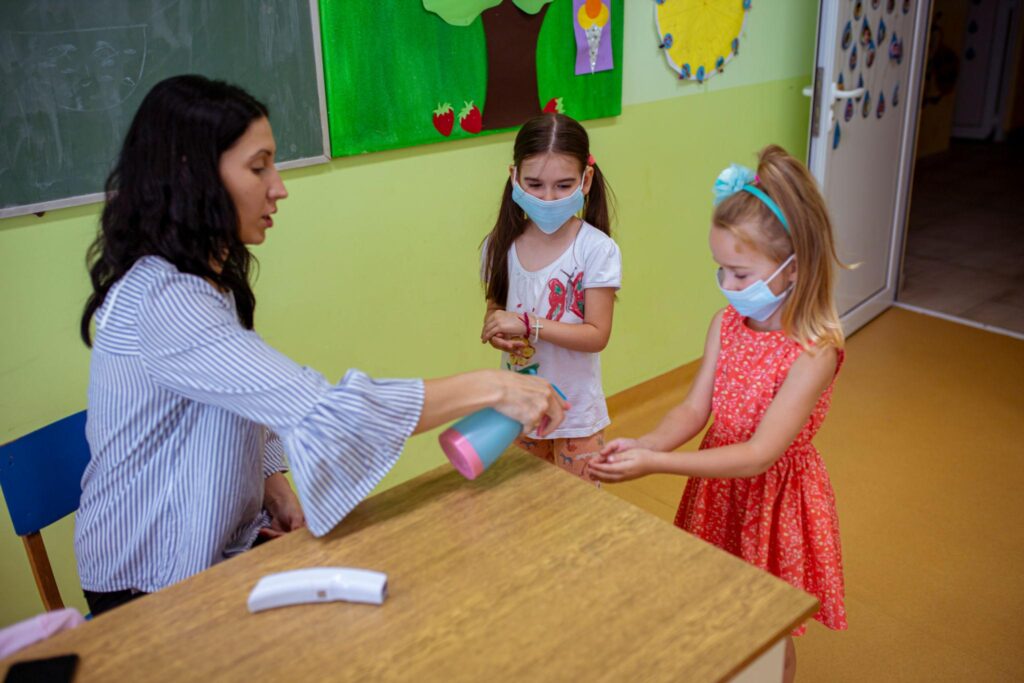
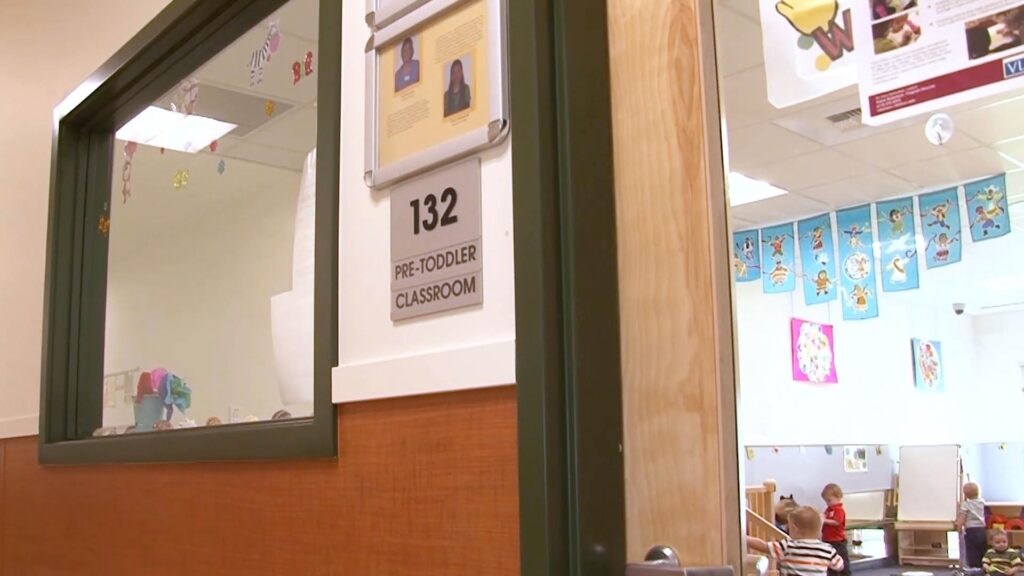
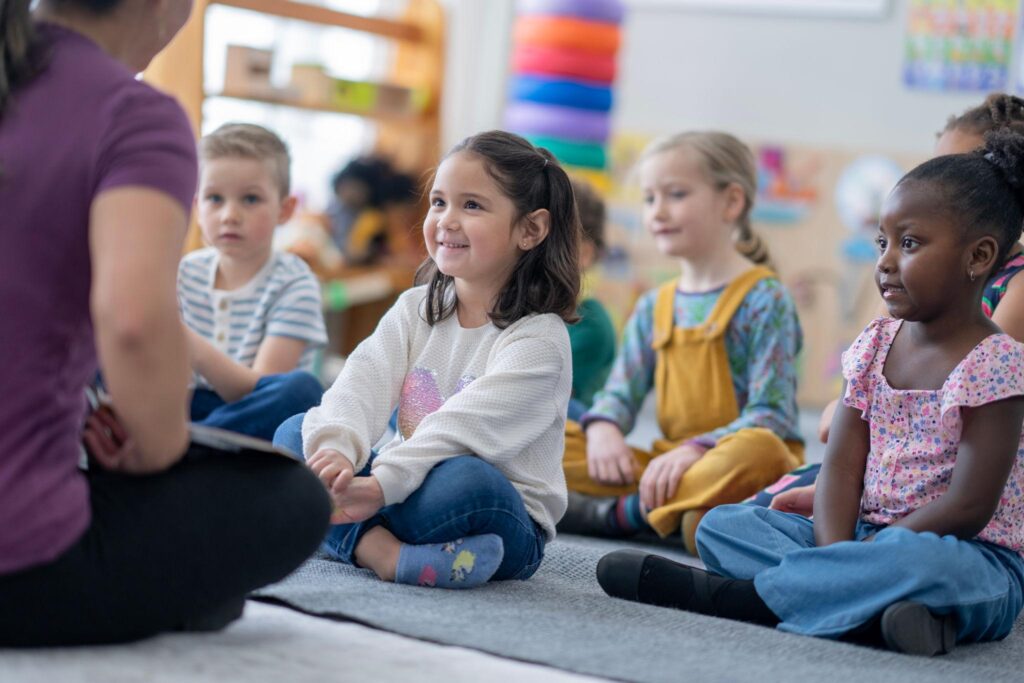
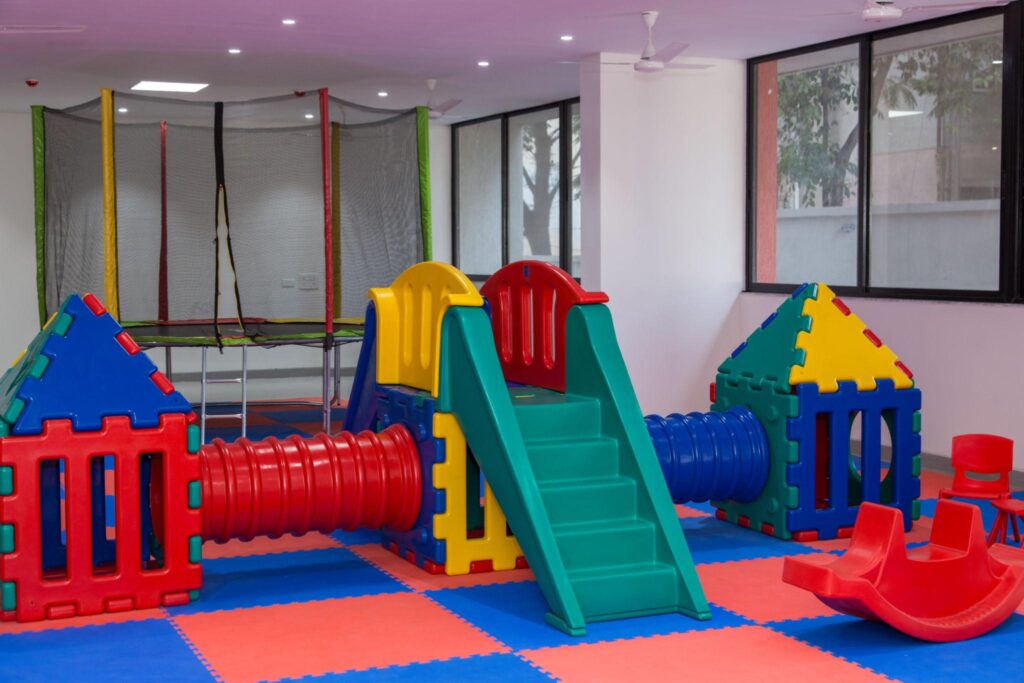
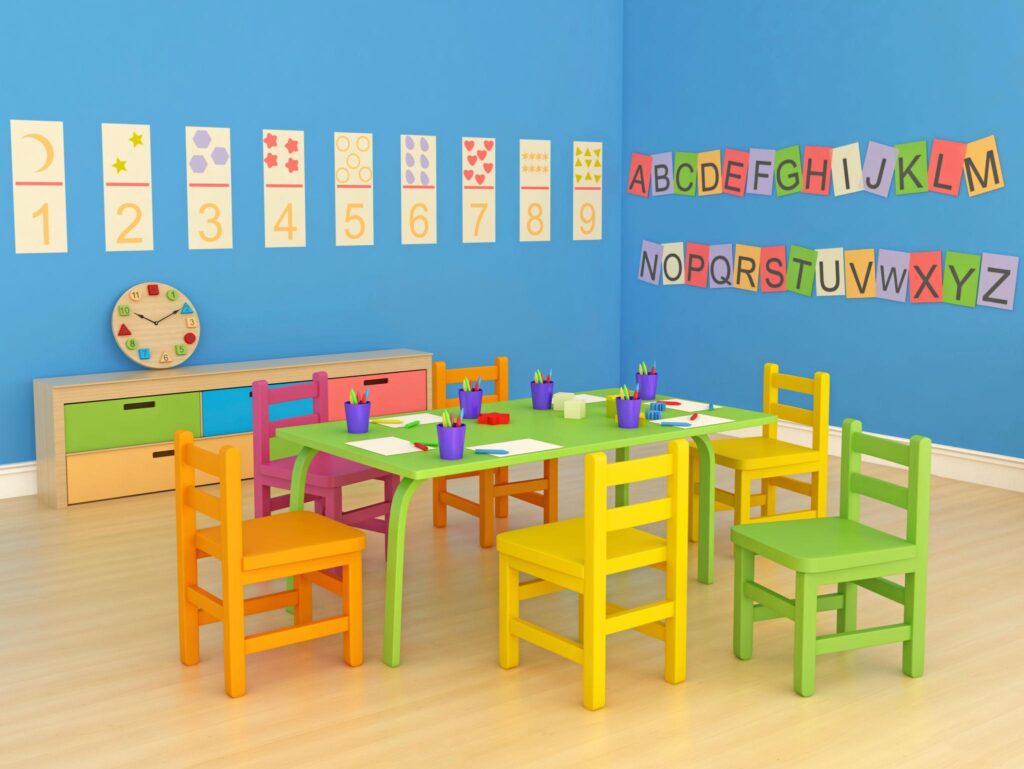
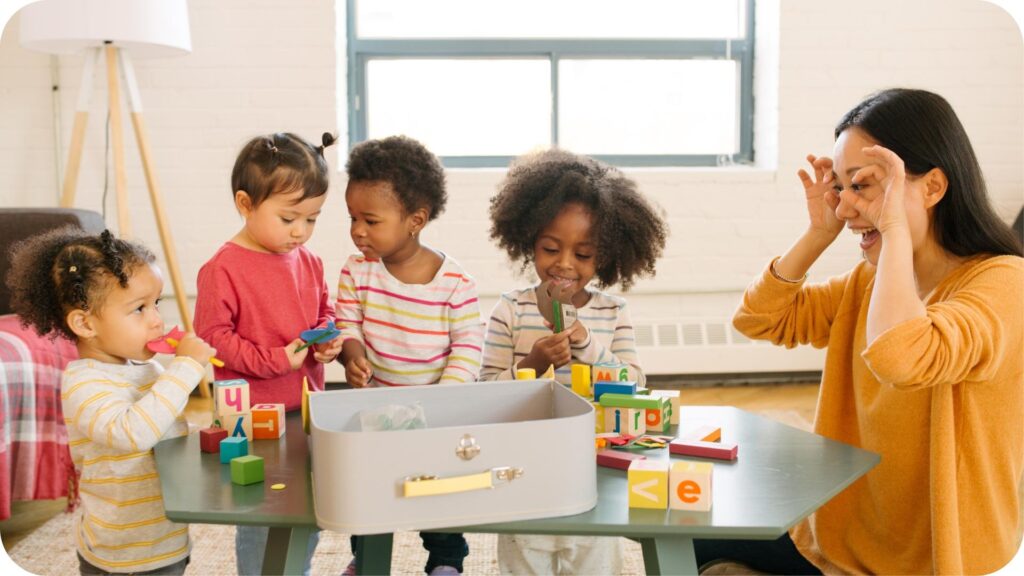
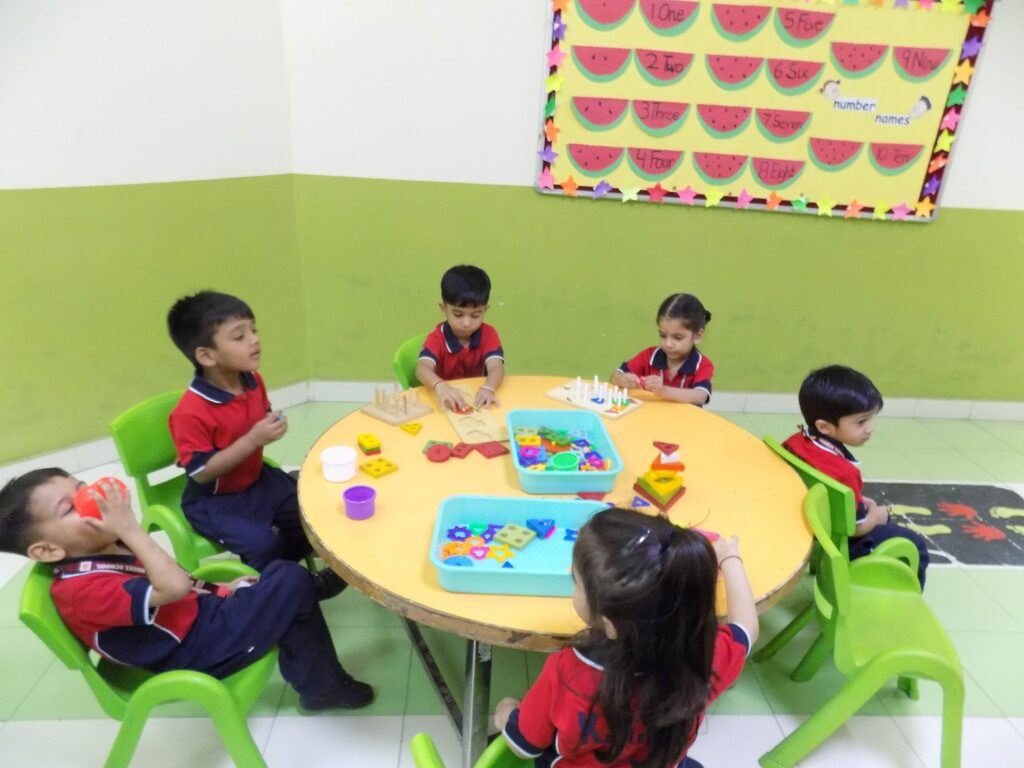
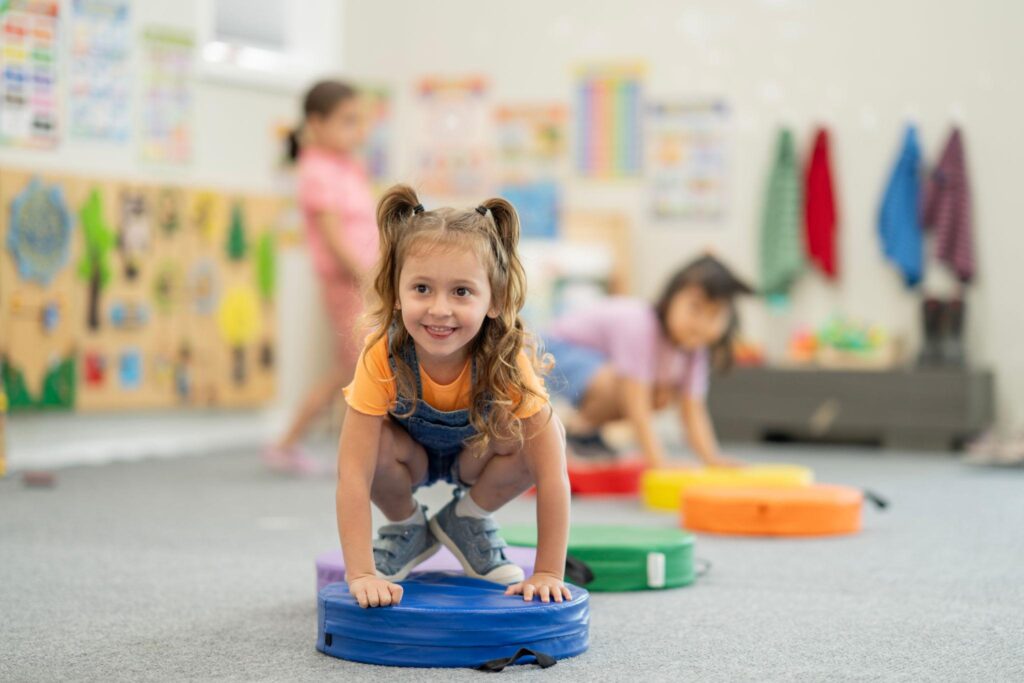
A safe and secure environment is the most important factor parents should consider. Children at a young age are naturally curious, so the preschool should have proper safety measures like CCTV cameras, secure entry and exit points, and child-proofed furniture. This ensures that children can explore freely without any risk.
Cleanliness and hygiene also play a crucial role in maintaining a healthy environment. Classrooms, toys, and play areas should be cleaned regularly to prevent infections and keep children safe. A well-maintained environment reflects the school’s commitment to children’s well-being.
In addition to physical safety, emotional safety is equally important. Children should feel comfortable, happy, and free from fear. A positive atmosphere helps children adapt quickly and develop confidence.
Parents should always visit the preschool personally to observe the environment. Seeing how children interact and how the space is managed gives a clear idea about safety standards.
2.Qualified and Caring Teachers in Preschool
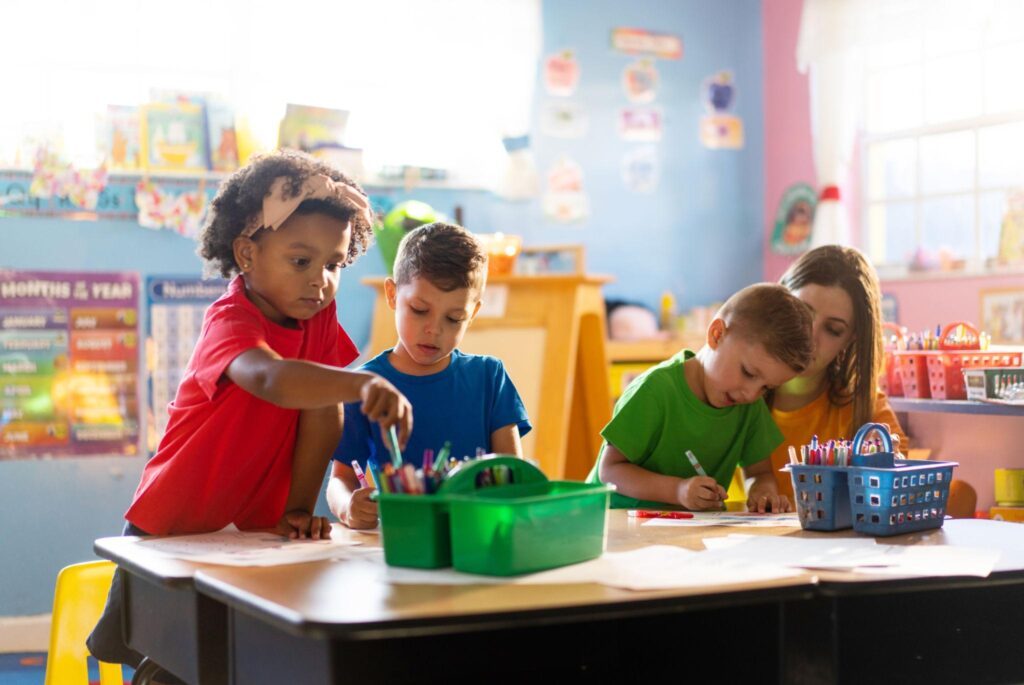
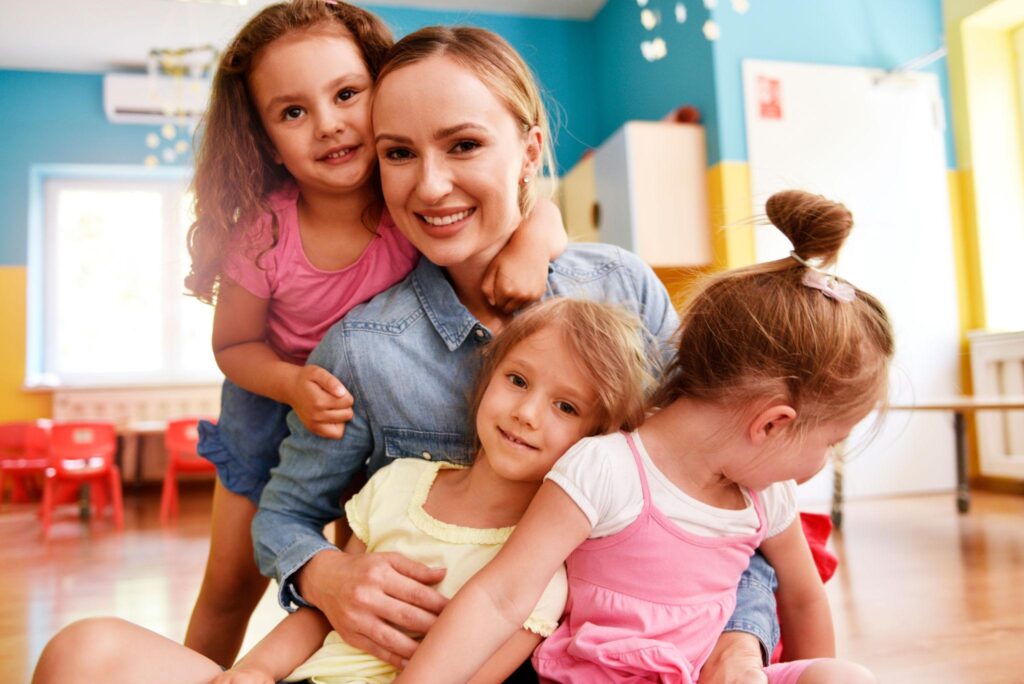
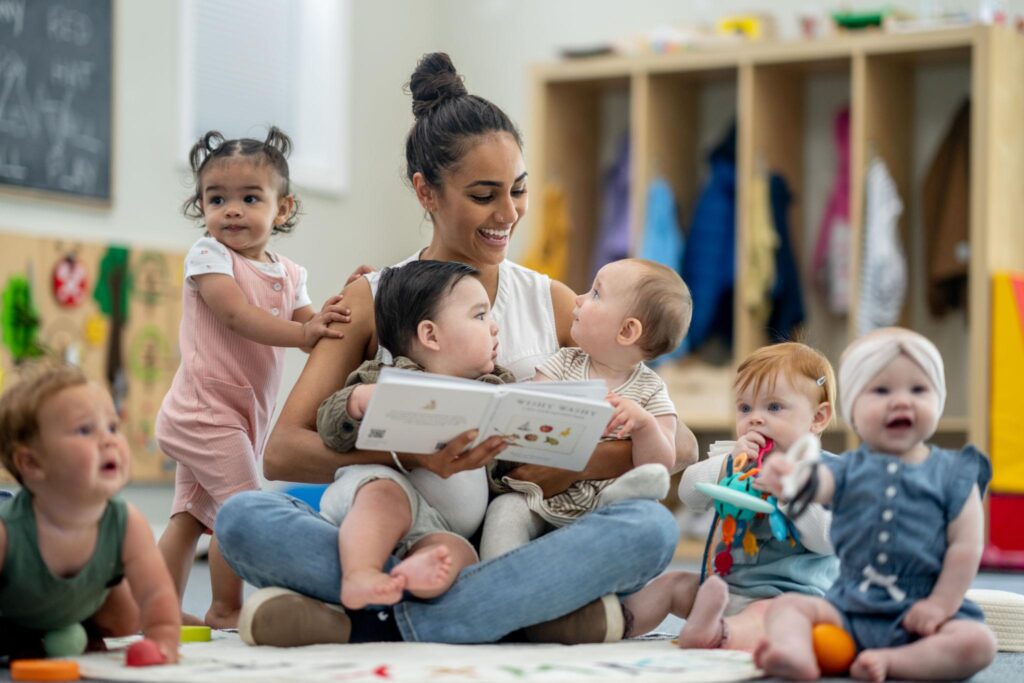
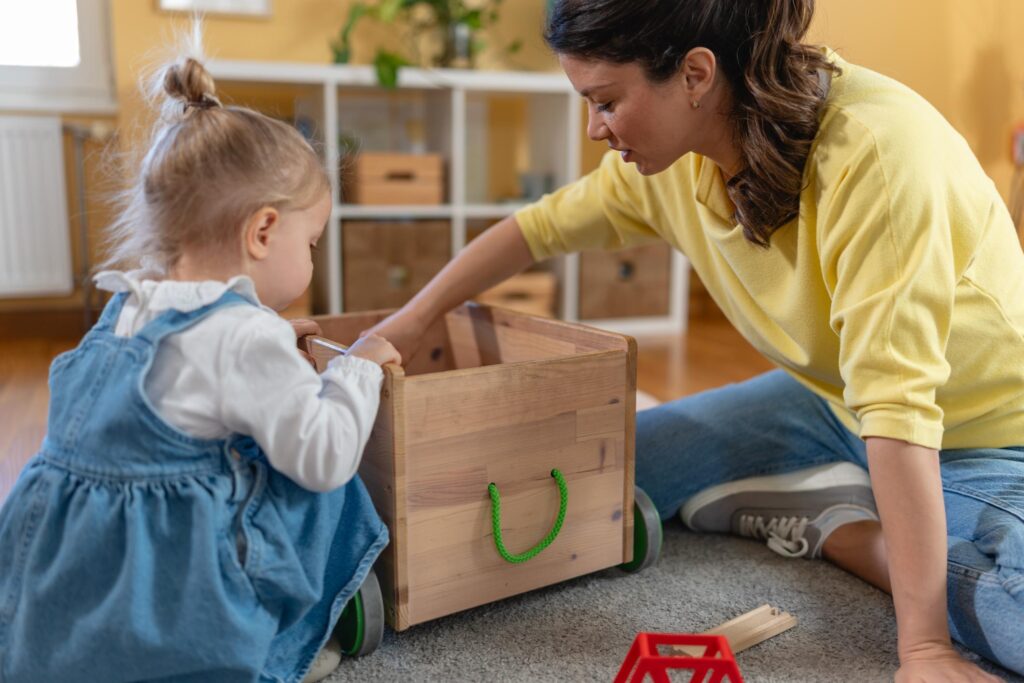
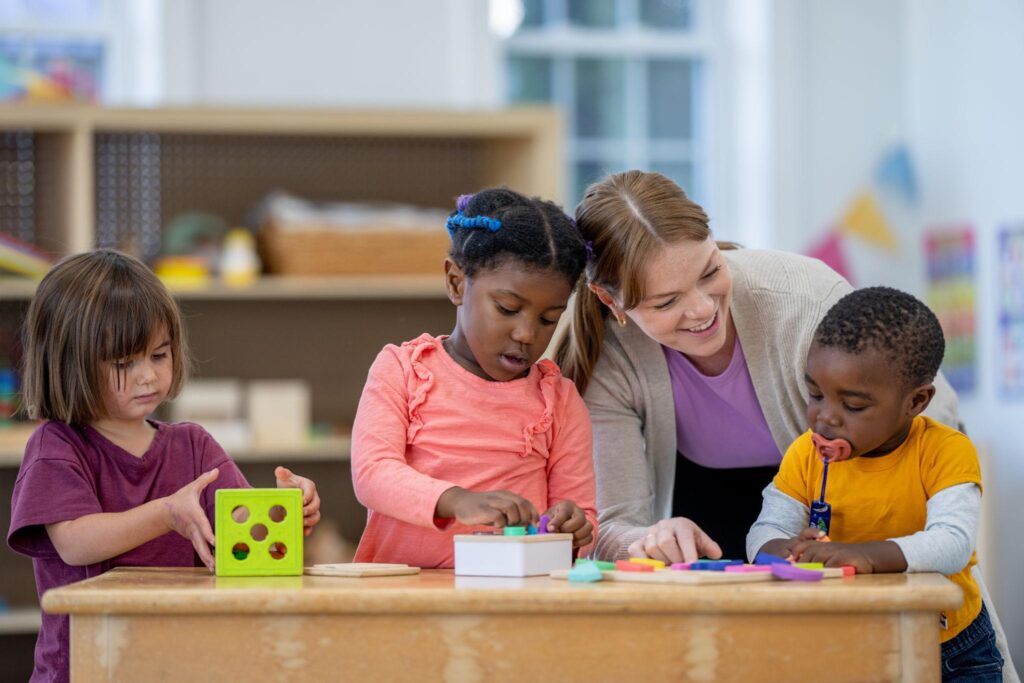
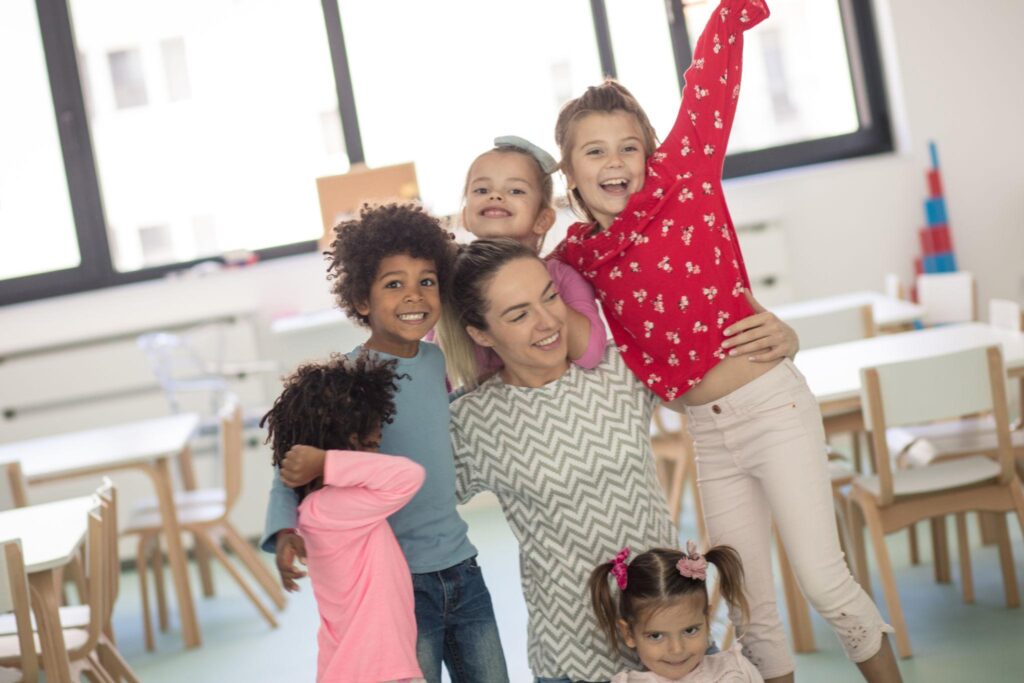
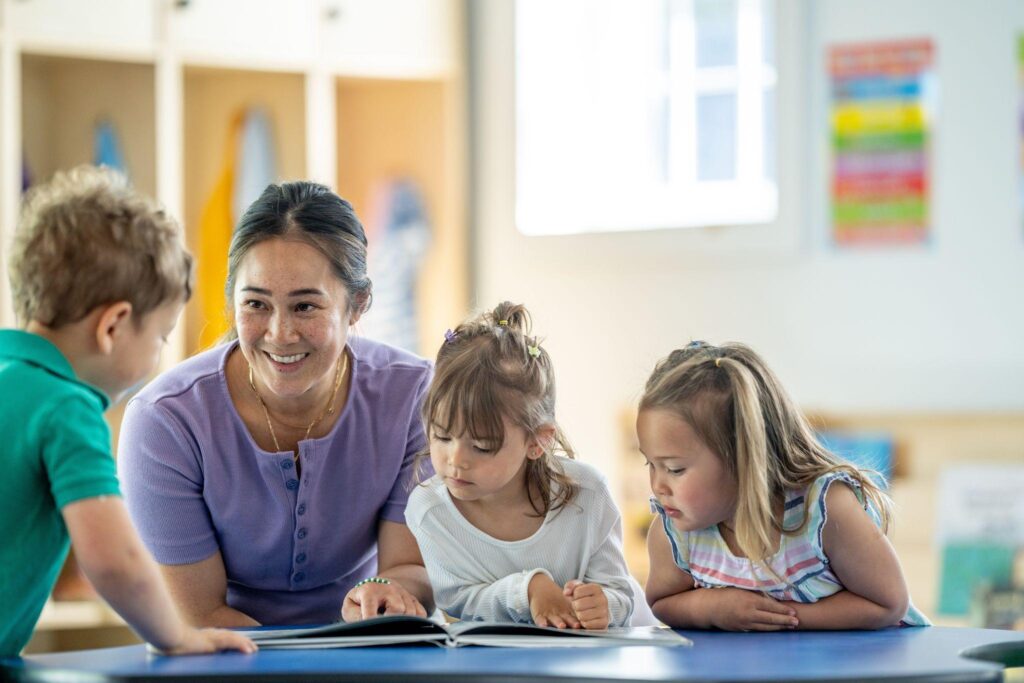
Teachers are the backbone of any preschool. They play a major role in shaping a child’s early learning experience and emotional development. Parents should ensure that teachers are well-qualified in early childhood education and have relevant experience.
Apart from qualifications, the attitude of teachers matters the most. They should be patient, friendly, and understanding, as young children need constant support and encouragement. A caring teacher creates a strong bond with children, making them feel secure and valued.
Good teachers focus on each child individually and understand their unique learning pace. They encourage participation, creativity, and curiosity instead of forcing children to follow strict methods.
Parents can interact with teachers during school visits to understand their approach. Observing how teachers communicate with children can help in making the right decision.
3.Curriculum and Learning Approach in preschool
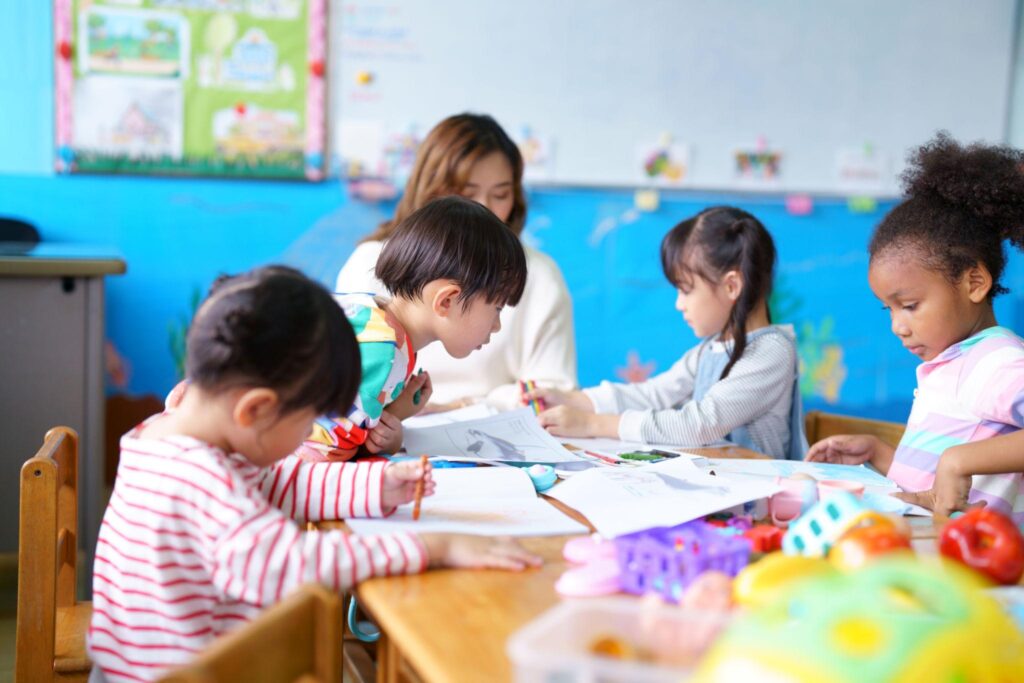

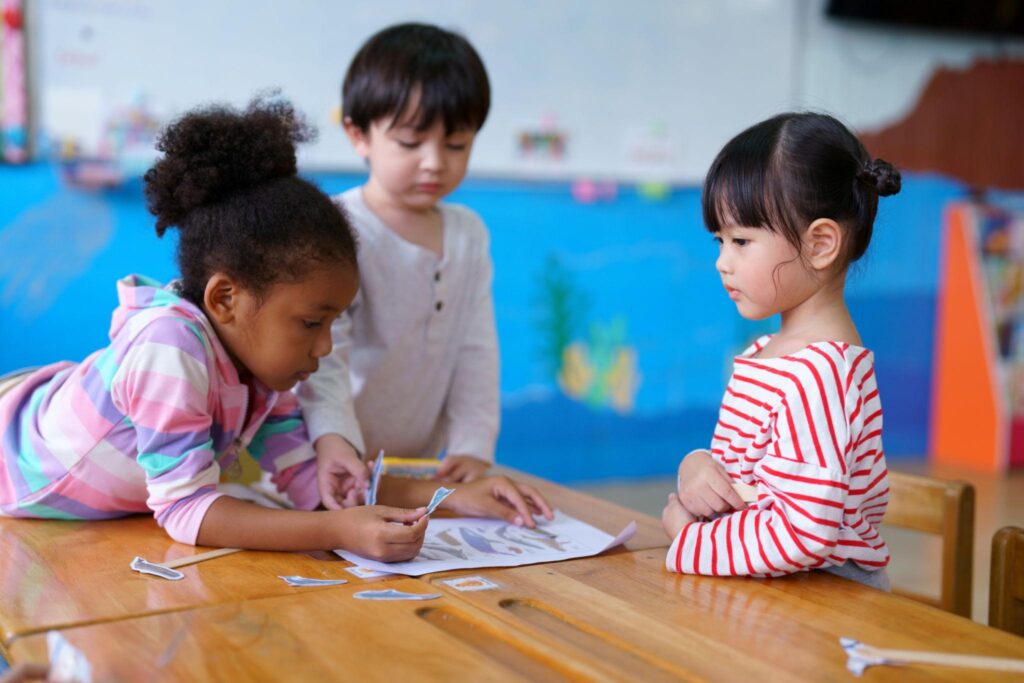
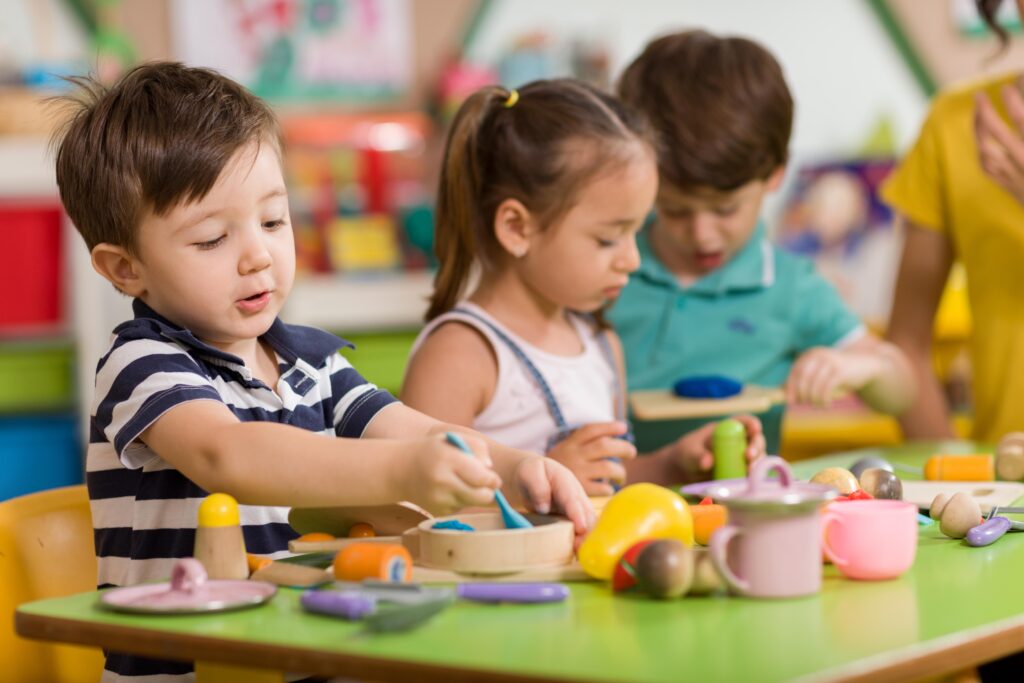
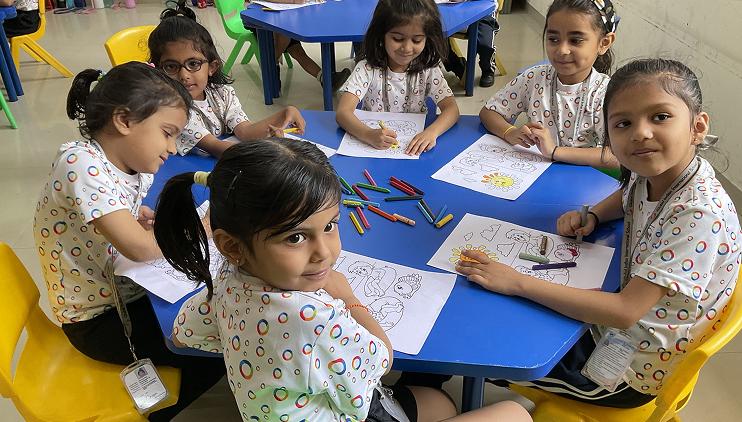
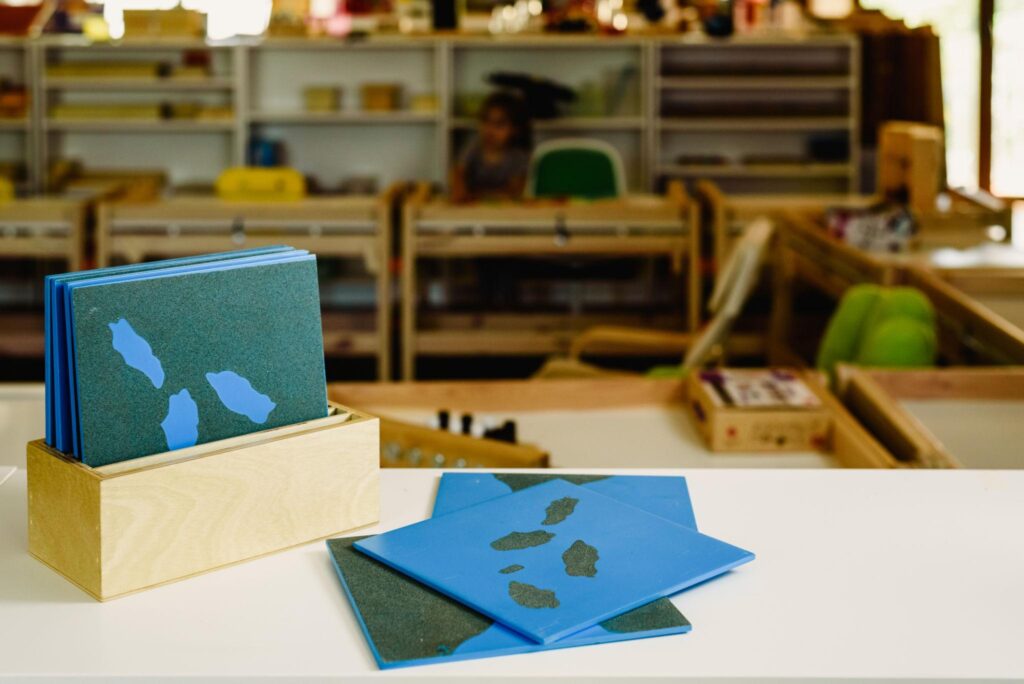

A well-designed curriculum is essential for a child’s overall development. Instead of focusing only on academics, a good preschool follows a balanced approach that includes play-based and activity-based learning. This makes learning enjoyable and effective.
Children learn best through hands-on experiences such as storytelling, music, art, and interactive games. These activities help in developing creativity, communication skills, and problem-solving abilities.
Different preschools may follow different approaches like Montessori, play-way, or theme-based learning. Parents should choose a method that suits their child’s learning style and comfort.
A strong curriculum should focus on overall growth, including social, emotional, and cognitive development. It should prepare children not just for school, but for life.
4.Facilities and Infrastructure
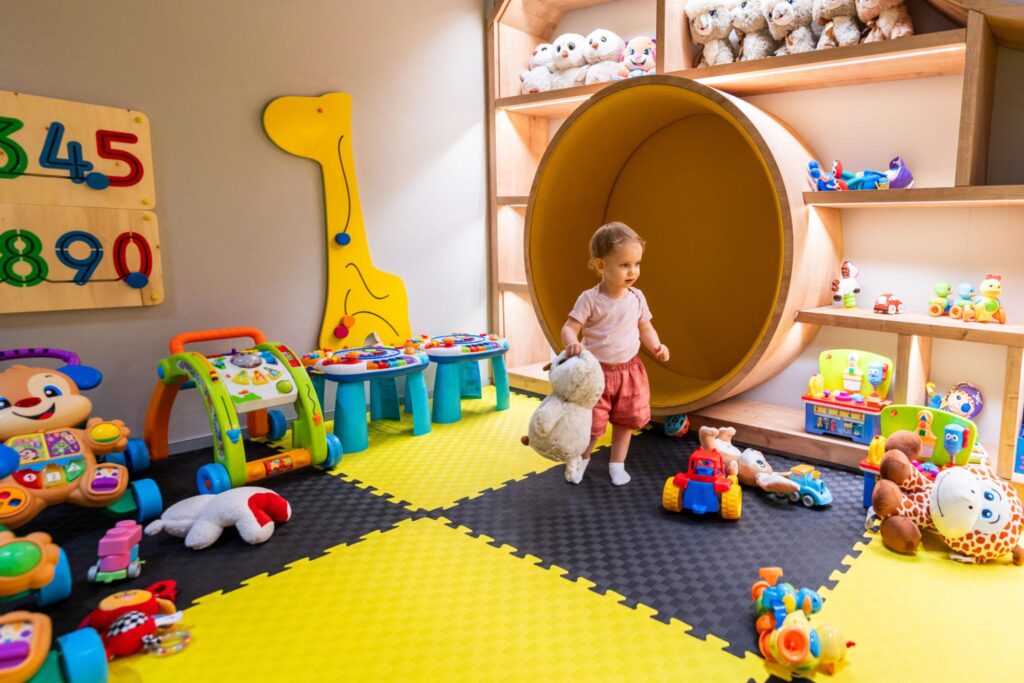
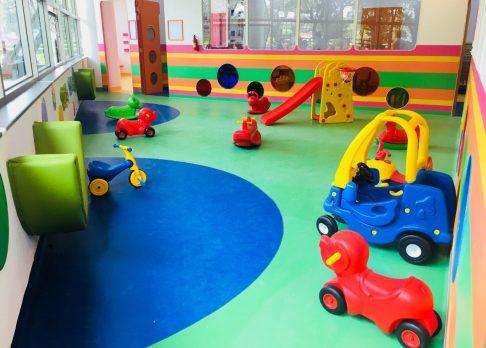
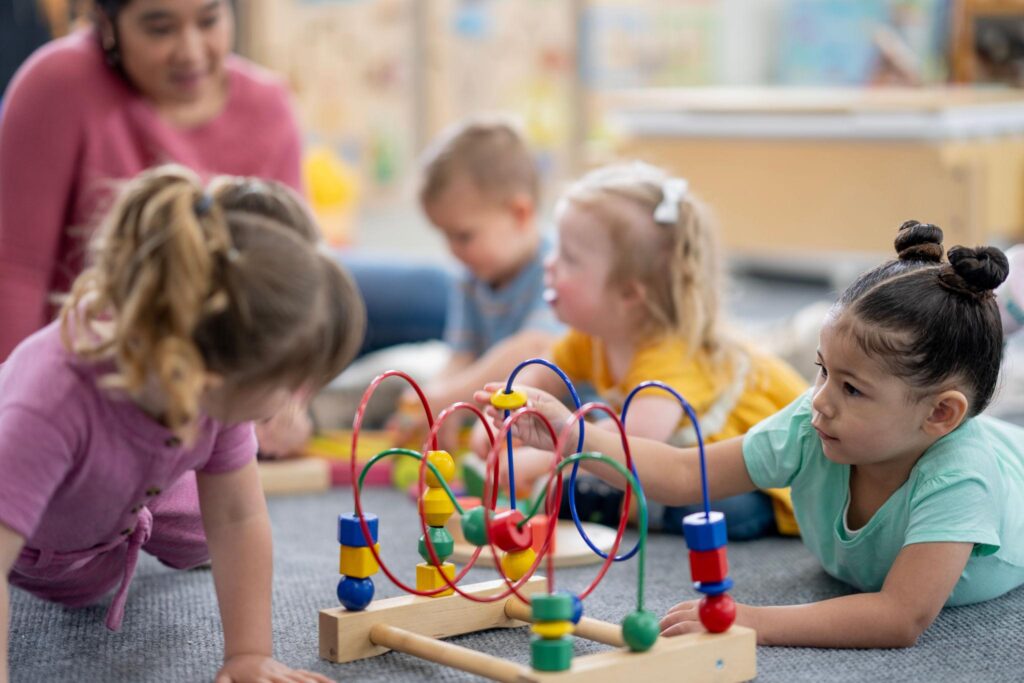
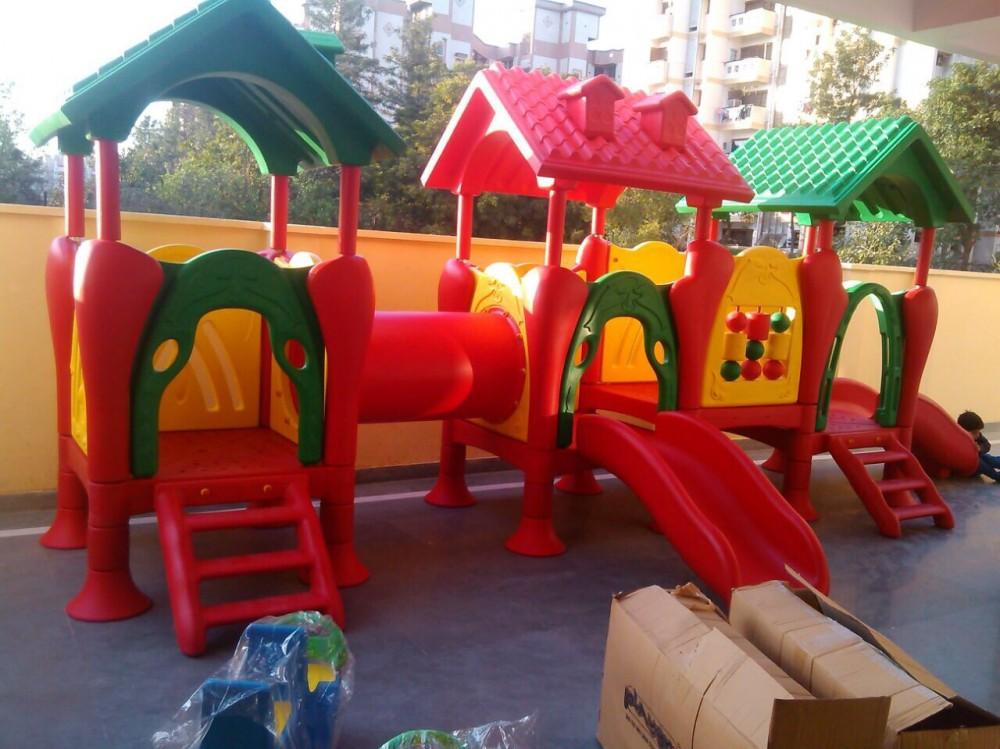
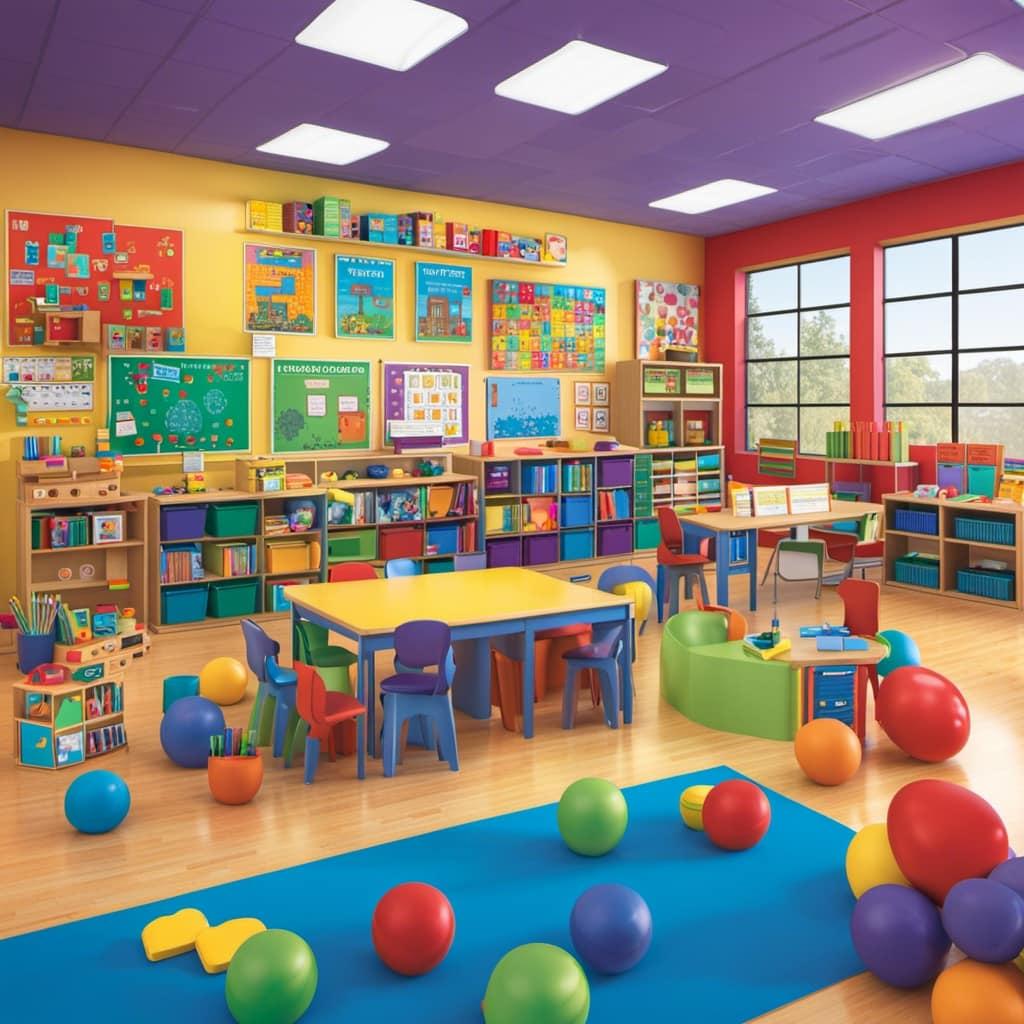
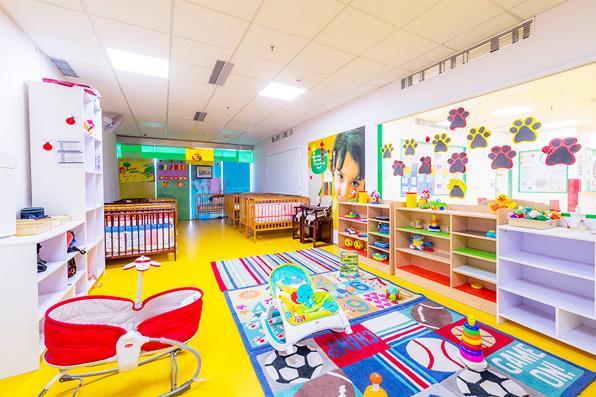
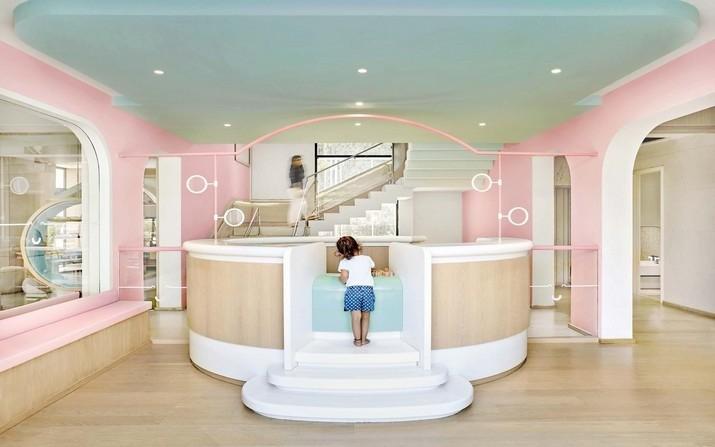
The quality of facilities directly impacts a child’s learning experience. A good preschool should have spacious, well-lit classrooms that are designed to be engaging and comfortable for children.
Play areas are equally important, as physical activity helps in developing motor skills and overall health. Indoor and outdoor play zones should be safe and equipped with age-appropriate toys and equipment.
Educational materials like books, puzzles, and learning toys should be easily accessible to children. These resources encourage independent learning and creativity.
Basic facilities like clean restrooms, safe drinking water, and proper ventilation should never be overlooked. A well-equipped preschool creates a positive and productive learning environment.
5.Communication with Parents
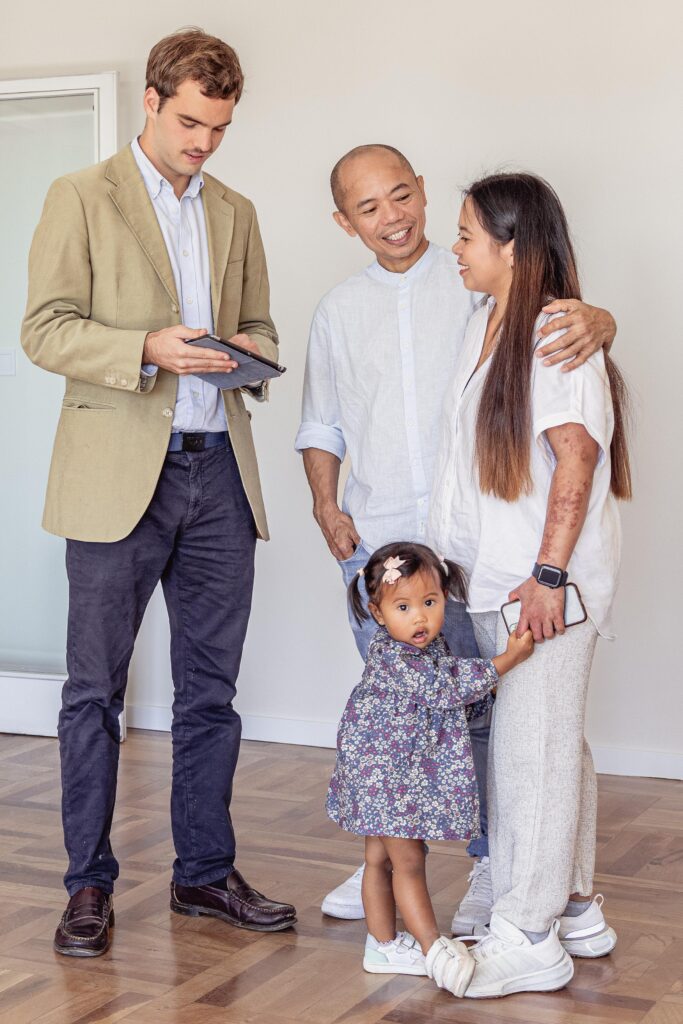


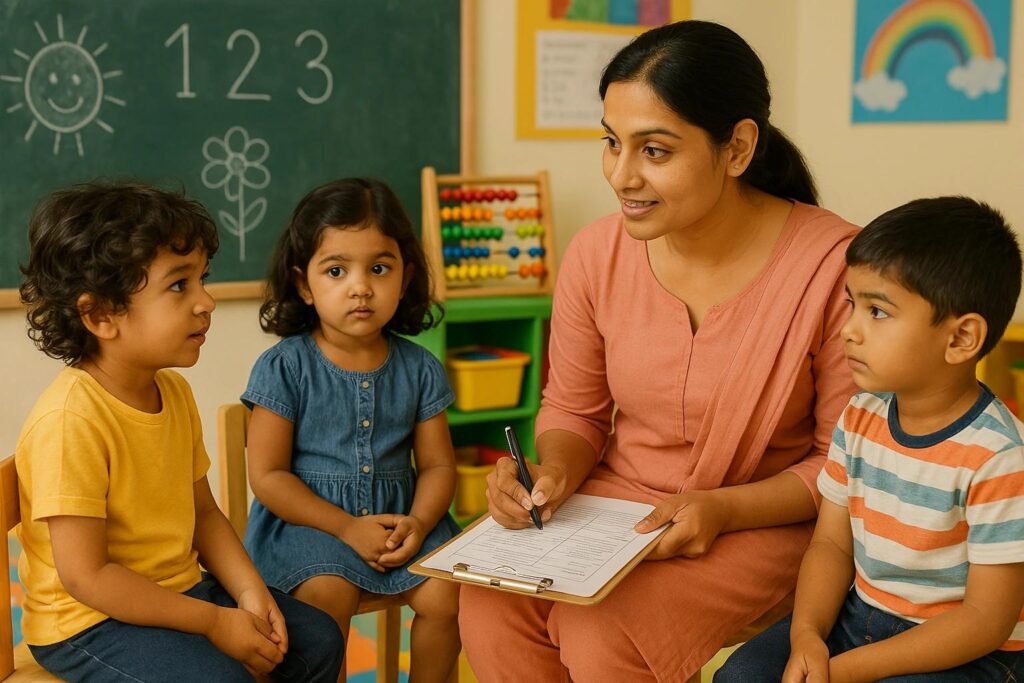
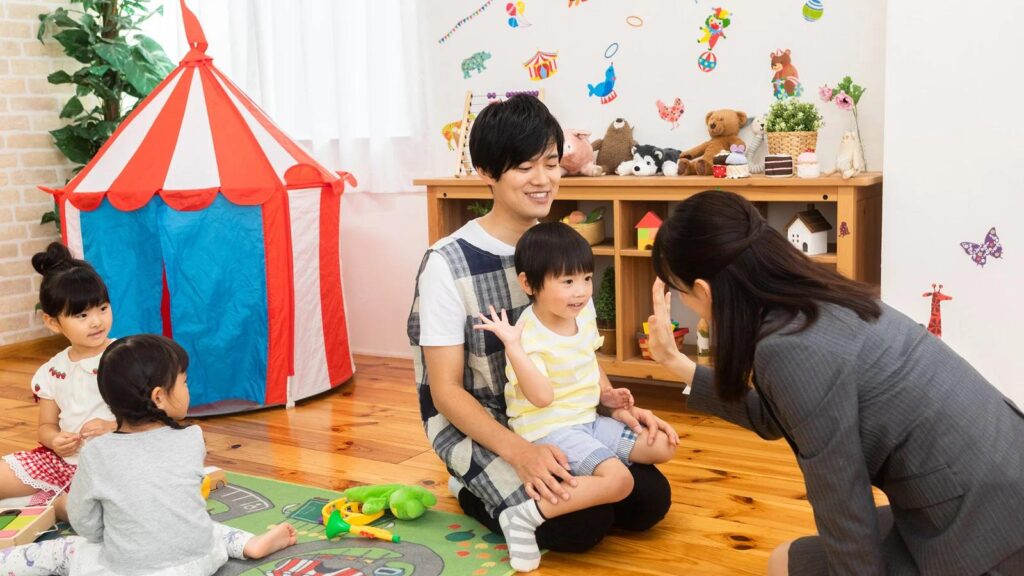
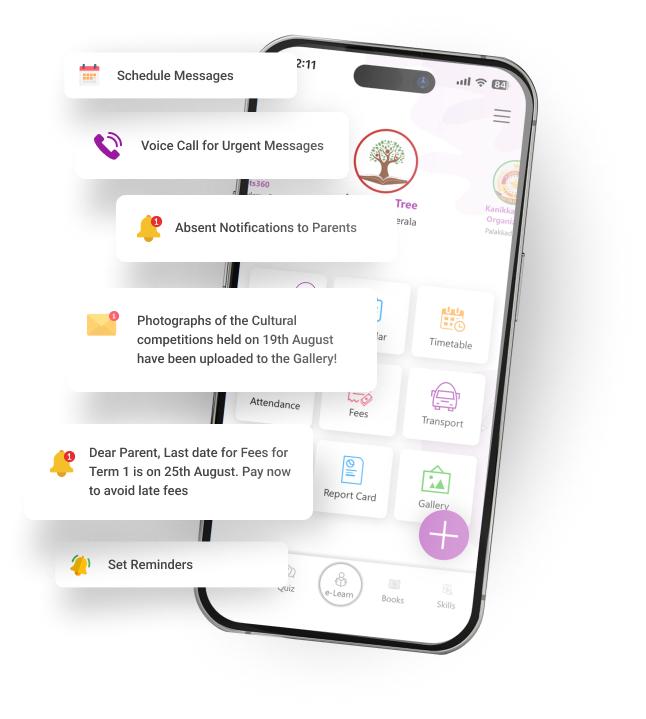

Effective communication between parents and teachers is essential for a child’s development. A good preschool keeps parents informed about their child’s progress, daily activities, and behavior.
Regular updates through meetings, messages, or apps help parents stay connected with the school. This transparency builds trust and ensures that parents are actively involved in their child’s learning journey.
Parent-teacher meetings provide an opportunity to discuss strengths, challenges, and improvements. This helps in understanding the child better and supporting their growth at home.
Strong communication also allows parents to share concerns and suggestions. A preschool that values parent feedback creates a better learning environment for children.
6.Focus on Child Development
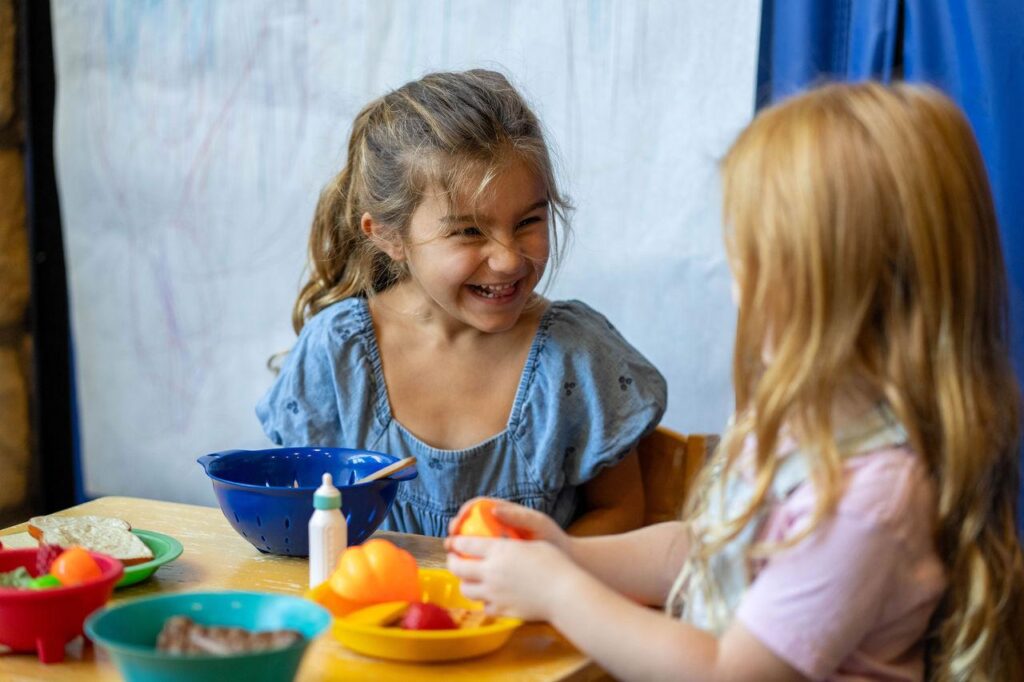
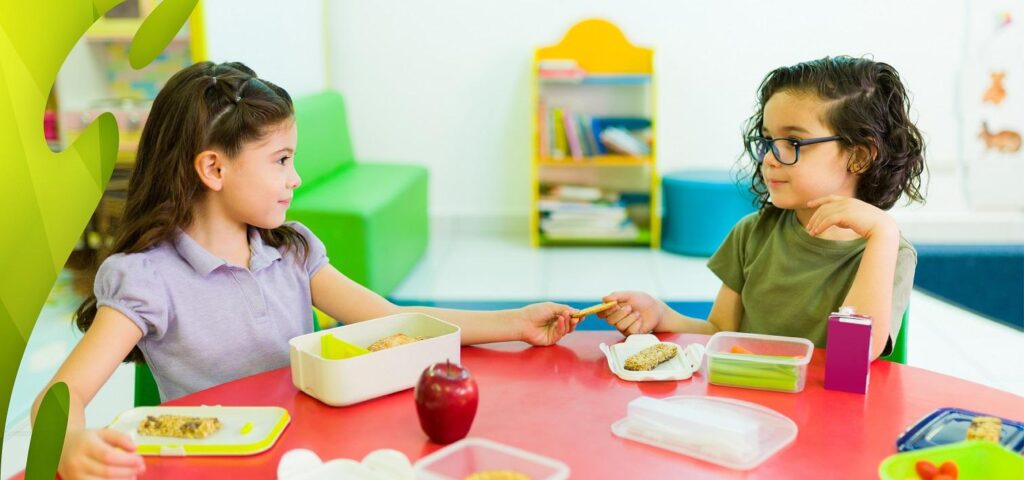
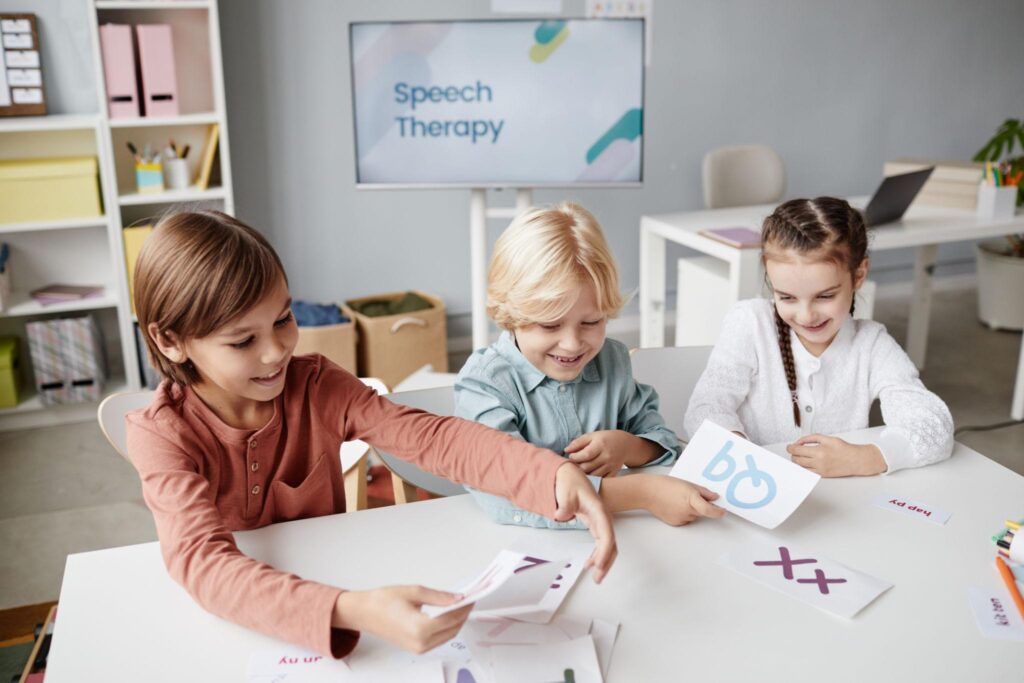
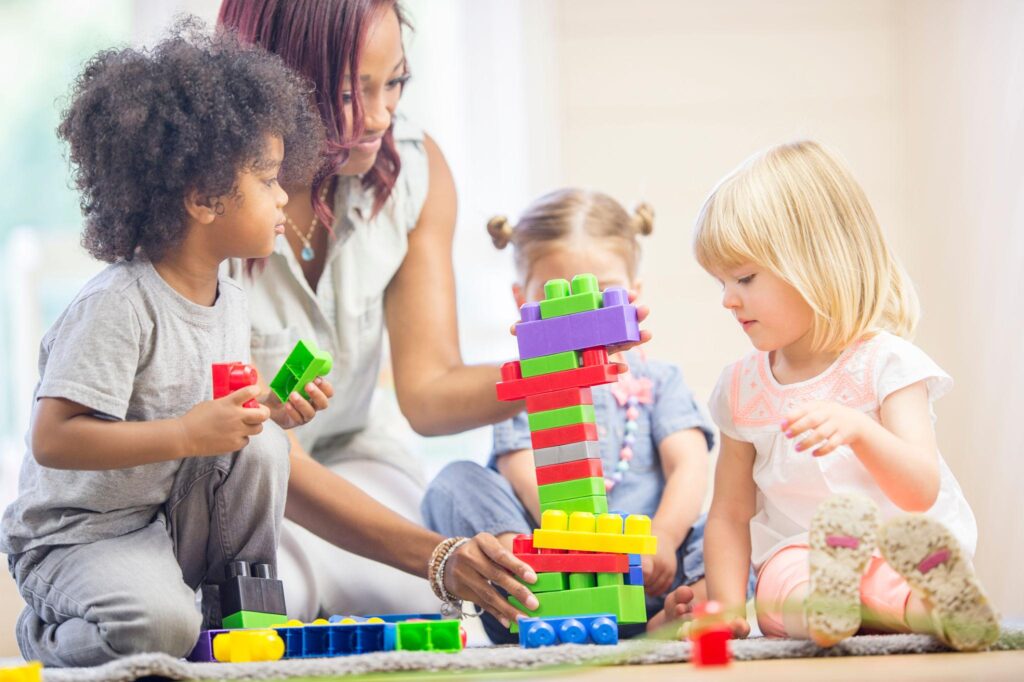
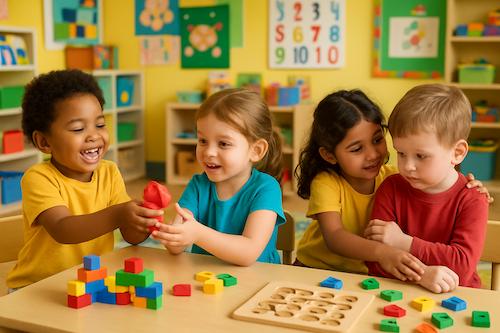
A preschool should focus on the overall development of a child, not just academic learning. Early childhood is a crucial stage where children develop social, emotional, and communication skills.
Activities that encourage teamwork, sharing, and interaction help children build strong social skills. These skills are important for building relationships and adapting to new environments.
Emotional development is equally important. Children should learn to express their feelings, manage emotions, and build confidence. A supportive environment helps them feel secure and independent.
Motor skills development through physical activities, games, and creative tasks is also essential. A balanced focus on all aspects ensures healthy growth.
7.Location and Accessibility
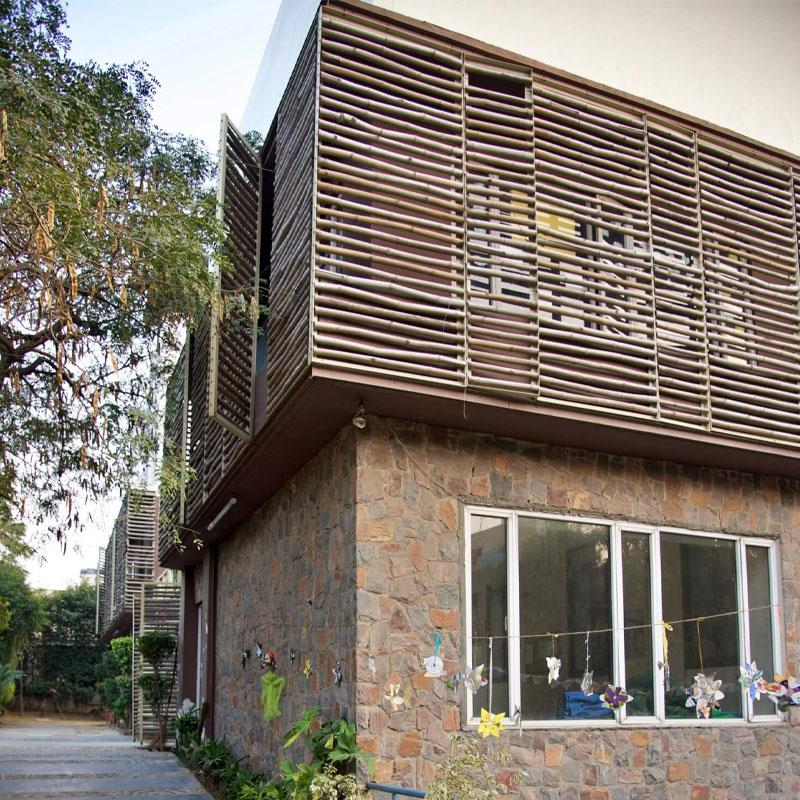
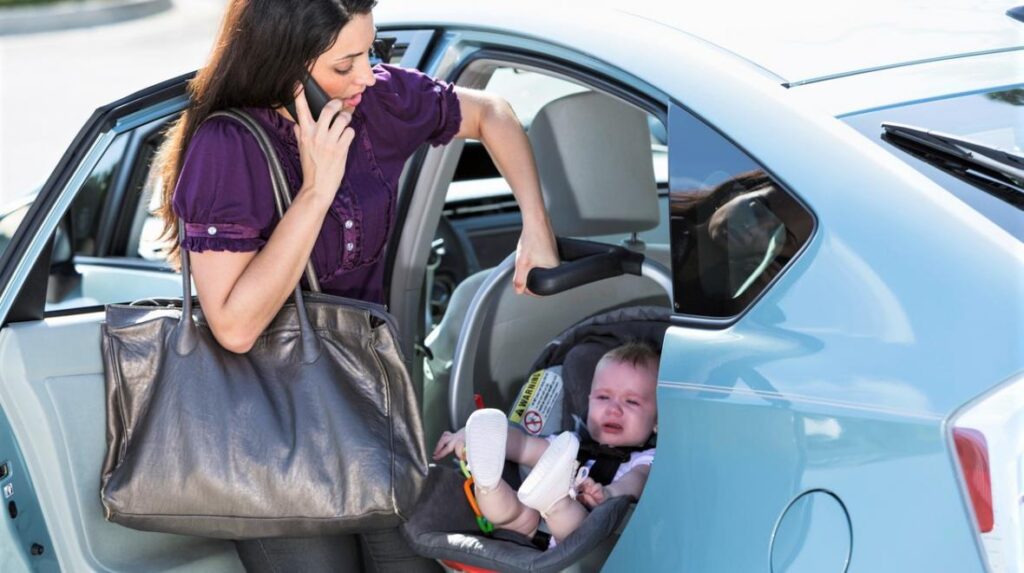
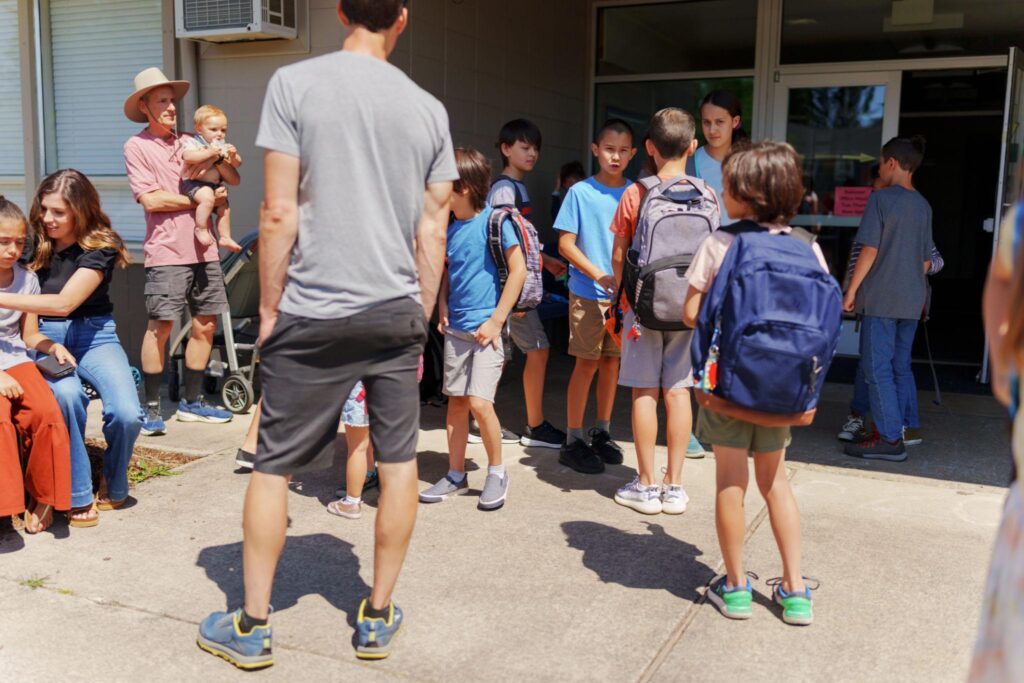

The location of the preschool plays an important role in daily convenience. Choosing a preschool close to home reduces travel time and makes it easier for both parents and children.
Long travel hours can make young children tired and uncomfortable. A nearby preschool ensures that children remain fresh and energetic throughout the day.
Safe transportation facilities, if provided, should be reliable and well-managed. Parents should check for safety measures like trained drivers and proper supervision.
Accessibility also matters in case of emergencies or quick visits. A conveniently located preschool adds comfort and peace of mind for parents.
Conclusion
Selecting the right preschool is about finding a place where your child feels safe, happy, and excited to learn. It is not just about facilities or curriculum, but about the overall environment and care provided.
Parents should take time to research, visit different preschools, and observe how children are treated. Asking questions and understanding the teaching approach helps in making a confident decision.
A good preschool lays the foundation for lifelong learning and development. Making the right choice today can positively shape your child’s future.