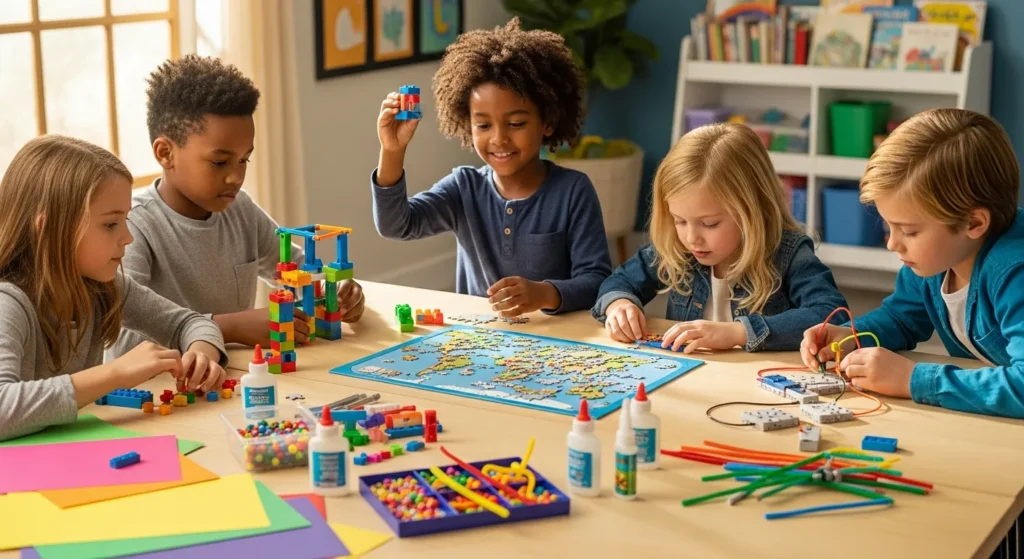
The early years of a child’s life are crucial for brain development. Between the ages of 3 to 5, children experience rapid growth in their cognitive, emotional, and social abilities. This is the perfect time to introduce activities that stimulate their brain and support overall development.
At this stage, children are naturally curious and eager to learn. They explore the world through play, observation, and interaction. Providing the right kind of activities can help strengthen their memory, problem-solving skills, and creativity.
Parents and teachers play an important role in guiding children during these formative years. Simple, engaging, and fun activities can make a big difference in shaping a child’s thinking abilities and confidence.
Let’s explore some effective brain development activities that can be easily done at home or in preschool.
🧩 1. Puzzle and Problem-Solving Activities:Brain Development
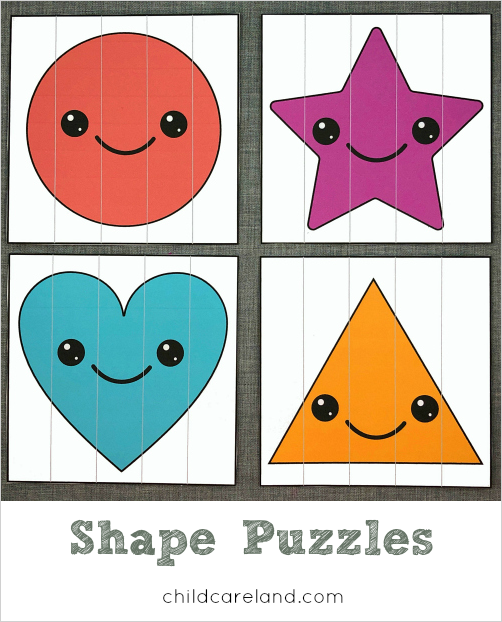
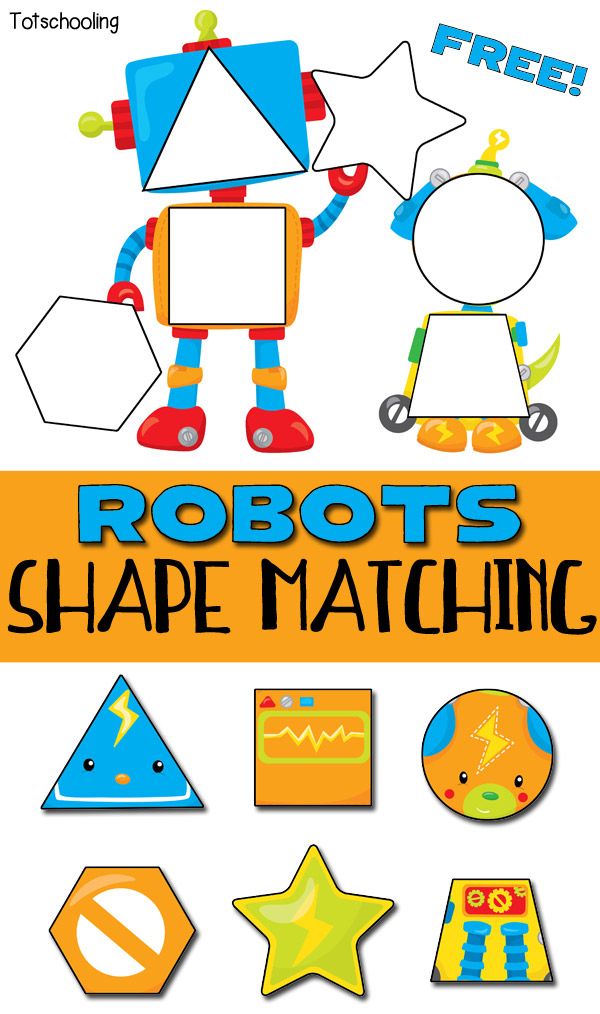
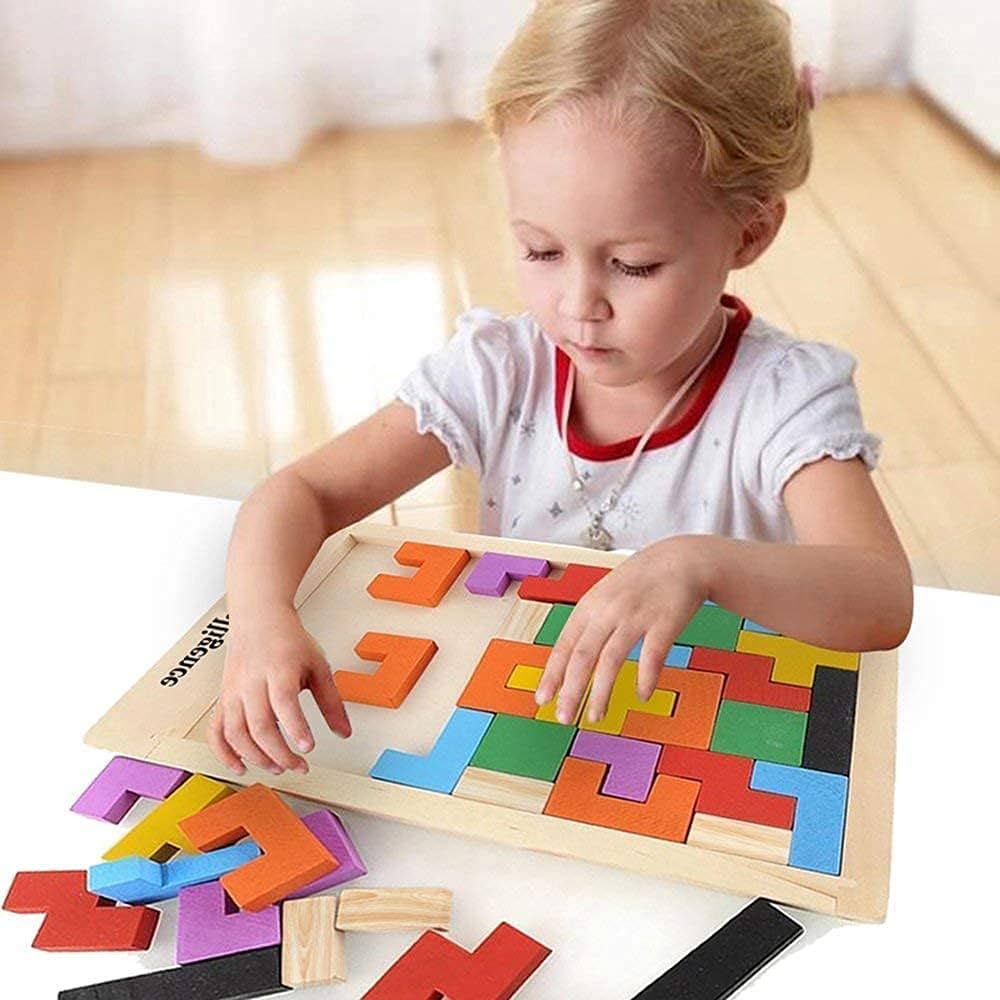
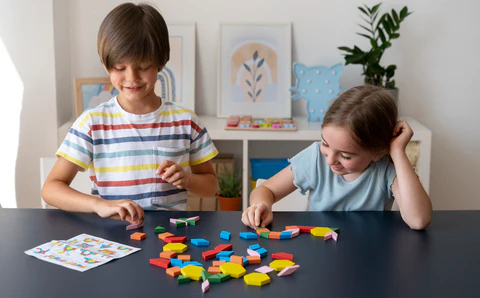
Puzzle activities are one of the best ways to boost brain development in young children. They help improve memory, concentration, and logical thinking. Simple puzzles like shape matching or jigsaw puzzles are perfect for children aged 3–5.
When children solve puzzles, they learn how to analyze situations and find solutions. This strengthens their problem-solving skills and builds patience. It also encourages them to think independently and make decisions.
Parents can start with simple puzzles and gradually increase the difficulty level as the child grows. This keeps children challenged and engaged without making them feel frustrated.
Problem-solving games like sorting objects, matching colors, or identifying patterns also help develop cognitive skills. These activities train the brain to recognize similarities and differences.
Regular practice of such activities improves focus and enhances a child’s ability to handle complex tasks in the future.
🎨 2. Creative Activities (Art & Craft)
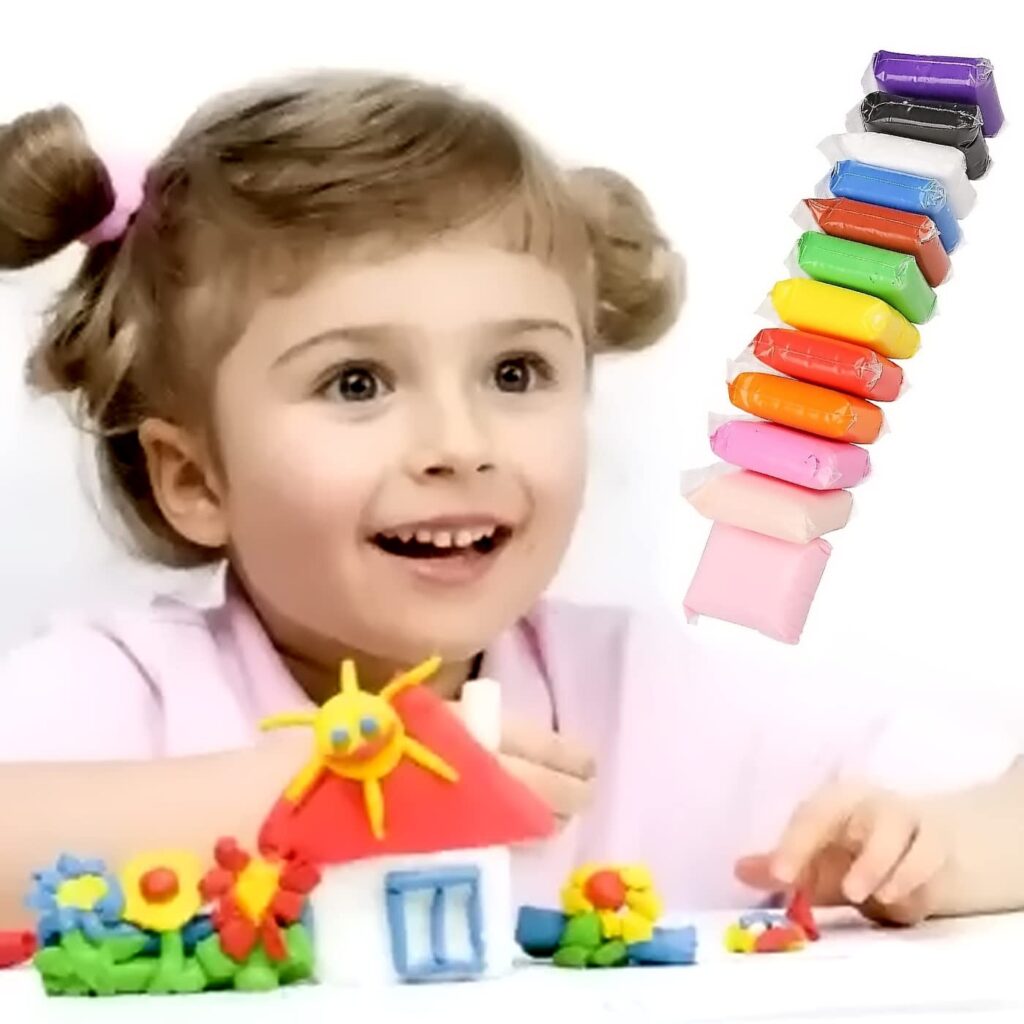
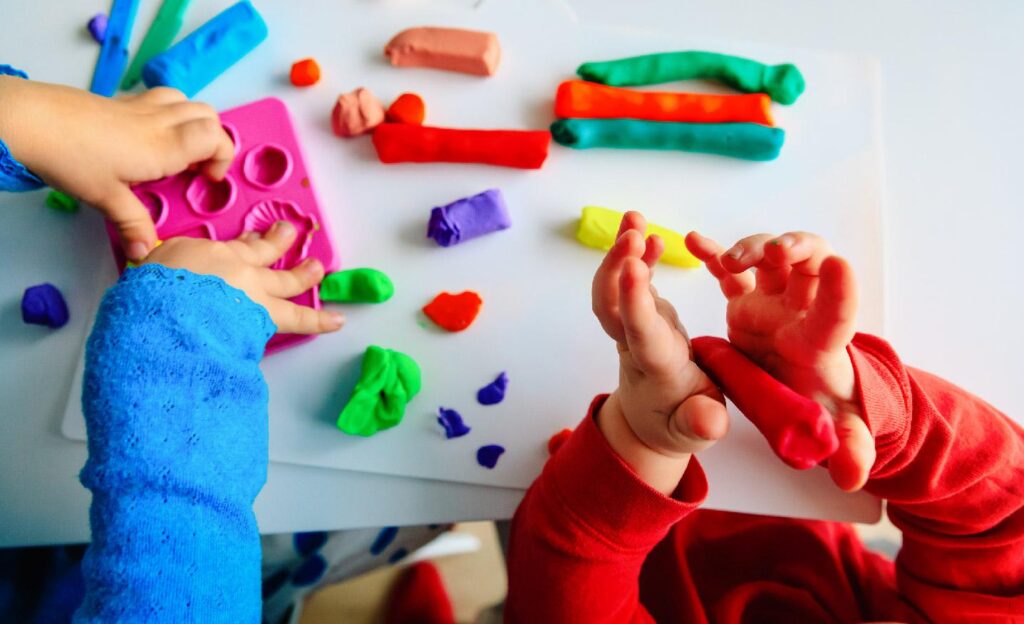
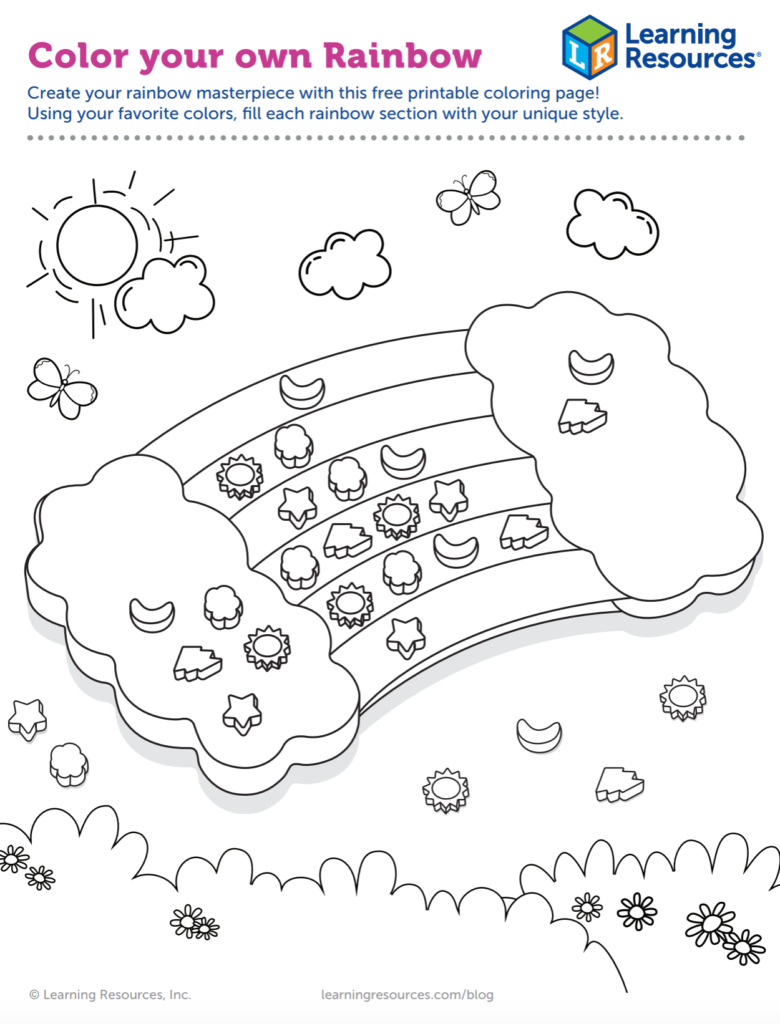
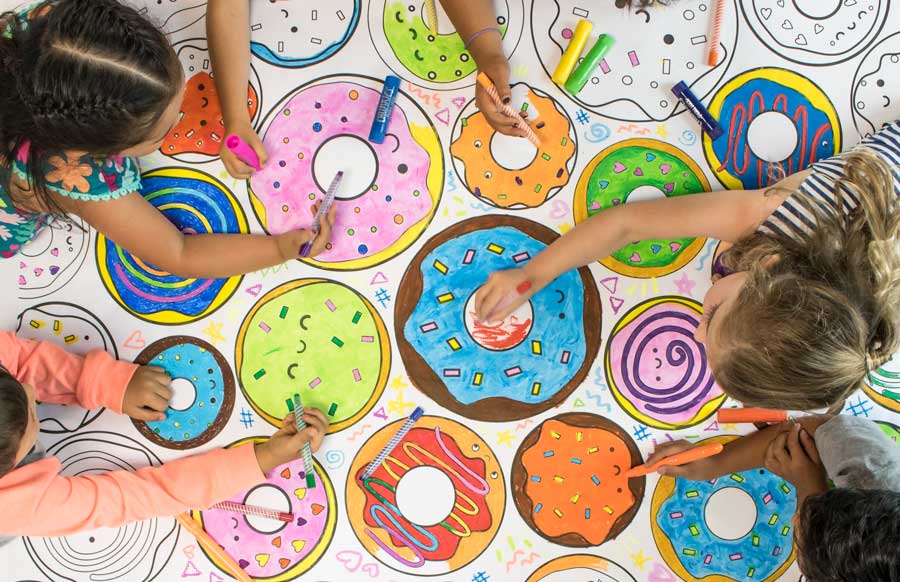
Creative activities play a vital role in brain development. Drawing, coloring, painting, and craft work allow children to express their thoughts and imagination freely. These activities stimulate the right side of the brain, which is responsible for creativity.
Art activities also help improve fine motor skills and hand-eye coordination. Simple tasks like holding crayons, cutting paper, and shaping clay strengthen hand muscles and improve control.
Children feel a sense of achievement when they create something on their own. This boosts their confidence and encourages them to explore more ideas.
Parents can introduce fun craft projects using simple materials at home. Making paper crafts, greeting cards, or decorations can keep children engaged while learning.
Creative activities also help children relax and express their emotions, making them an important part of overall development.
📚 3. Language and Storytelling Activities
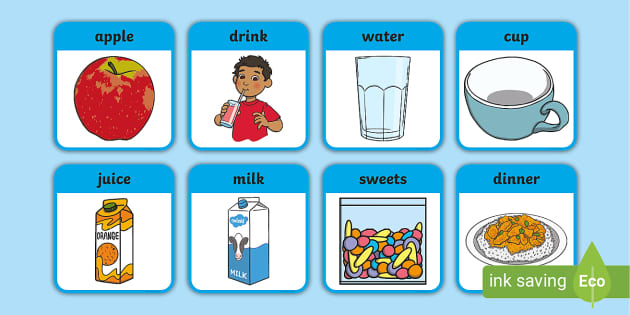
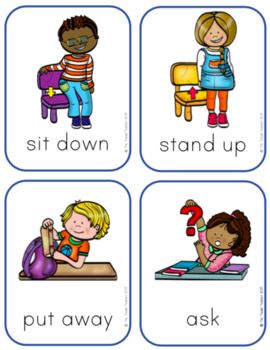
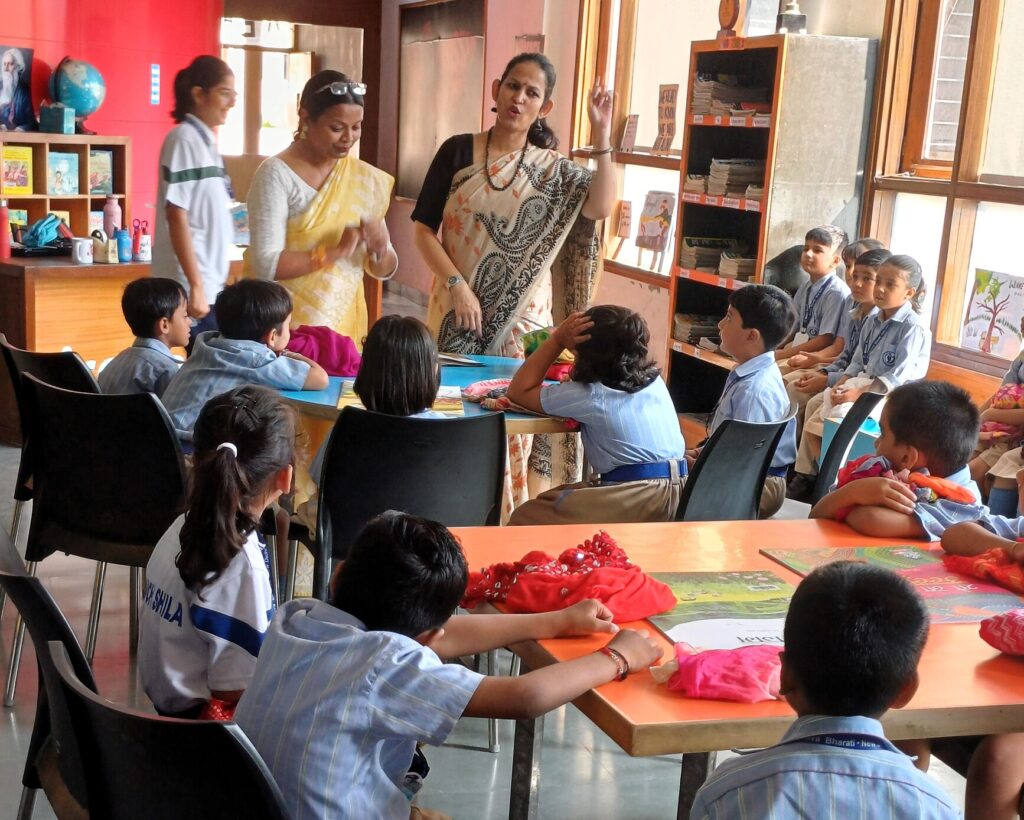

Language development is a key part of brain growth in early childhood. Activities like storytelling, reading books, and conversations help improve vocabulary and communication skills.
Reading stories to children introduces them to new words, ideas, and concepts. It also improves their listening skills and imagination. Asking questions during storytelling encourages children to think and respond.
Parents can also encourage children to tell their own stories. This helps in building confidence and improving speaking skills. Simple conversations at home also play a big role in language development.
Using flashcards, rhymes, and word games makes learning fun and interactive. These activities help children recognize letters, sounds, and words.
Strong language skills support overall brain development and prepare children for future learning.
🏃♂️ 4. Physical Activities for Brain Growth:Brain Development
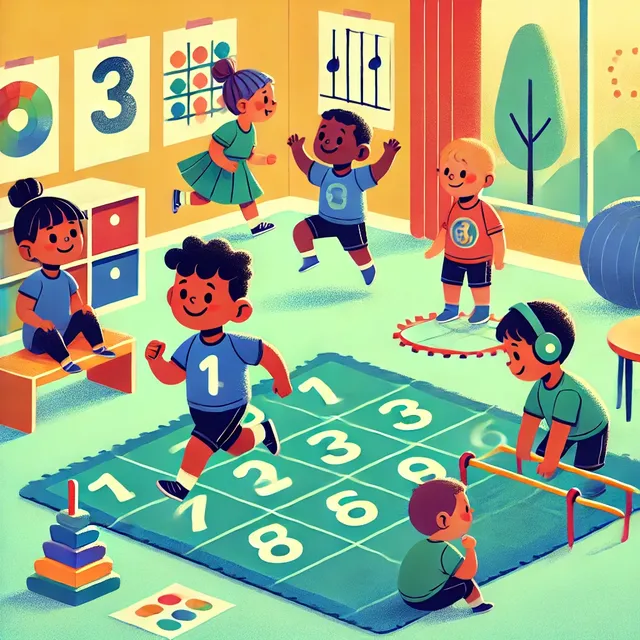
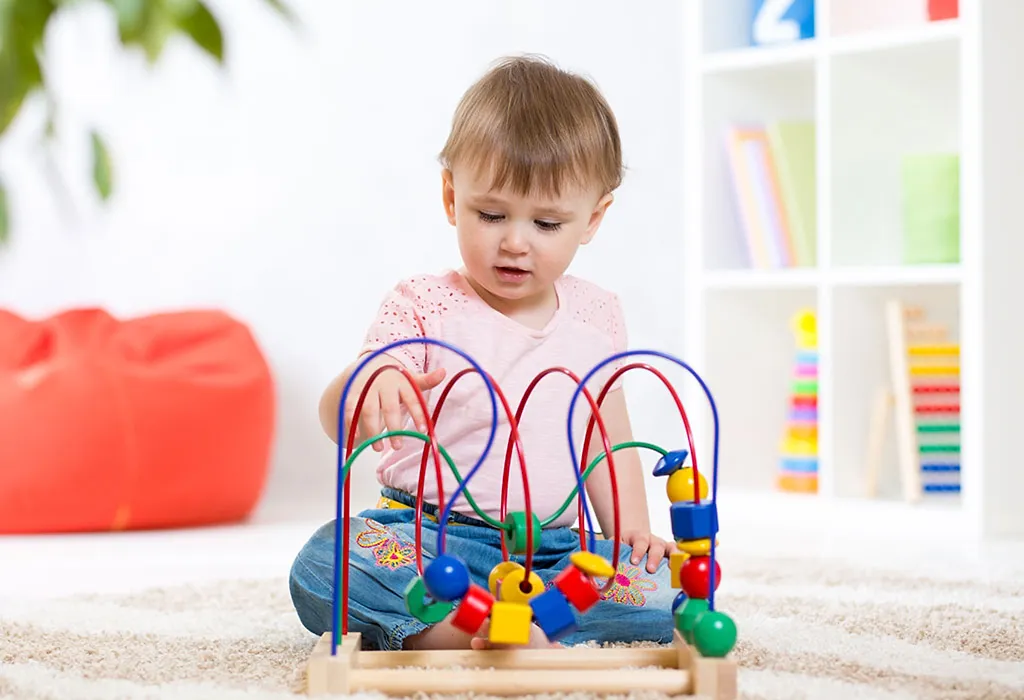
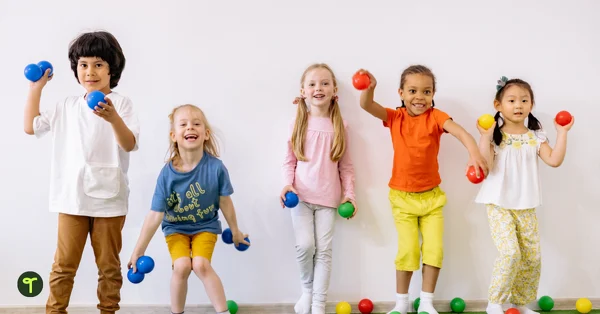

Physical activity is closely connected to brain development. Activities like running, jumping, and playing games help improve coordination, balance, and motor skills.
When children engage in physical activities, their brain releases chemicals that improve mood and focus. This helps in better learning and memory.
Simple games like throwing and catching a ball, dancing, or obstacle courses are great for both physical and mental development. These activities also help children release energy and stay active.
Physical play encourages children to explore their surroundings and interact with others. This improves their social skills and confidence.
Regular movement-based activities are essential for healthy brain development and overall well-being.
🎭 5. Role Play and Imagination Games
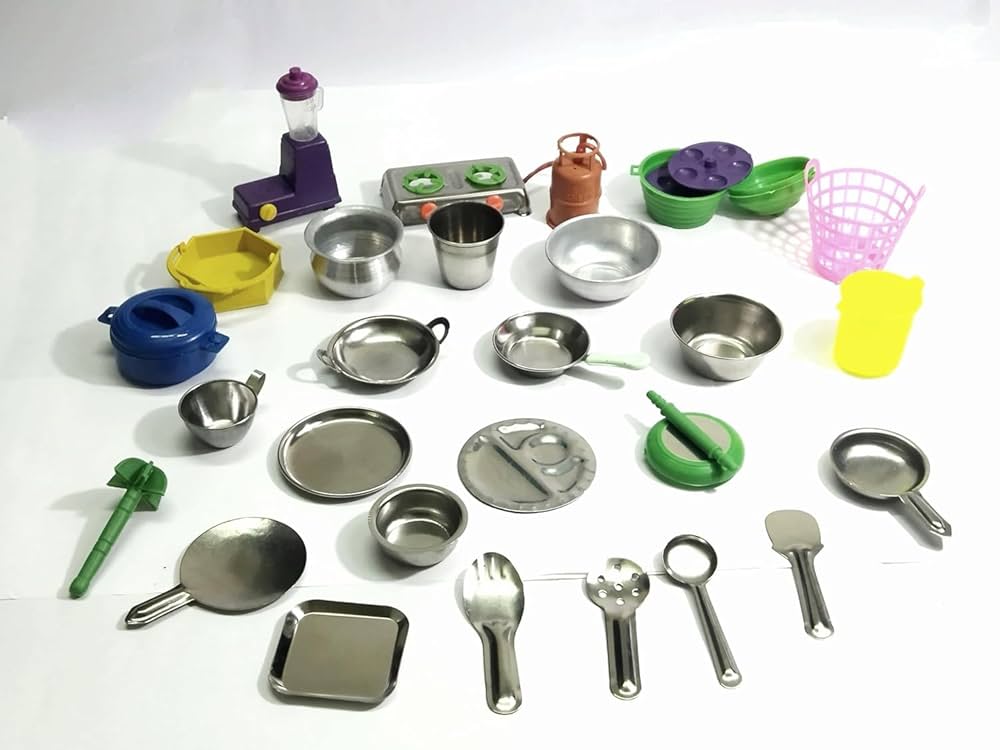
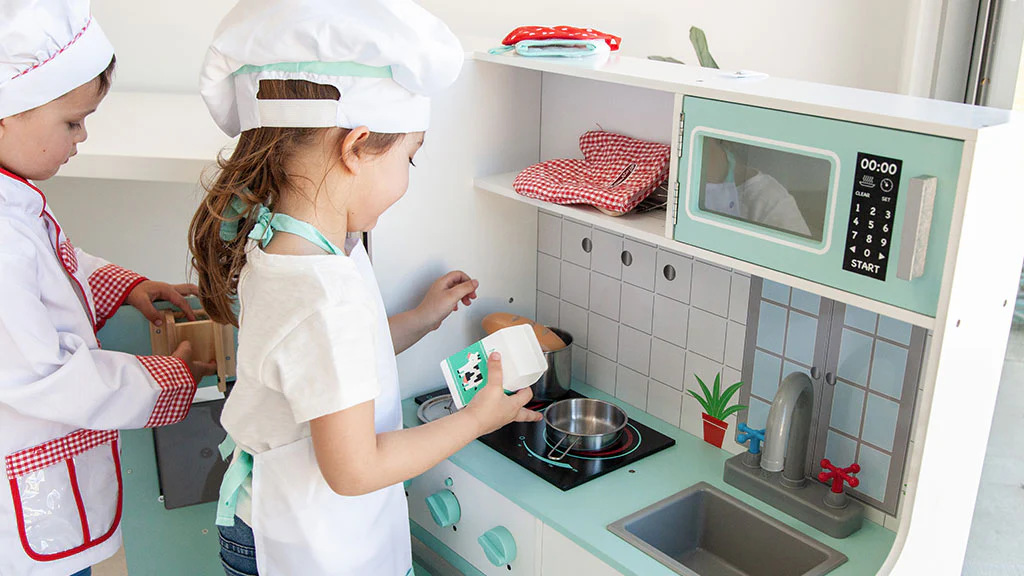
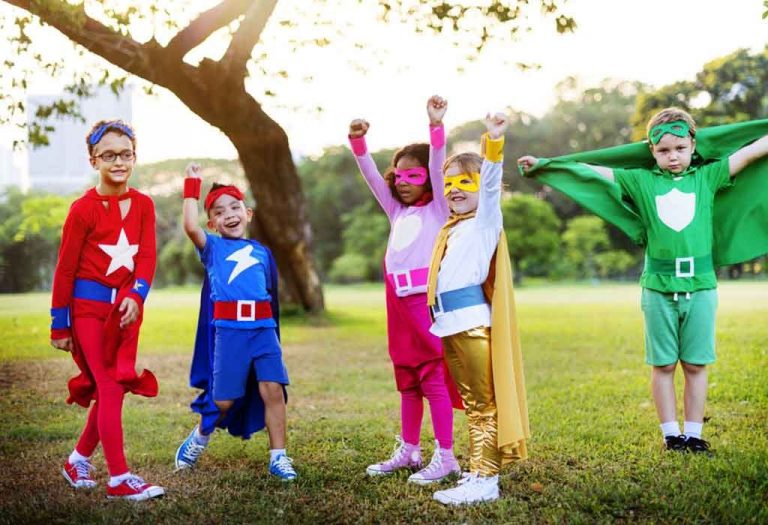

Role play activities are excellent for developing imagination and creativity. Children enjoy pretending to be different characters like doctors, teachers, or shopkeepers.
Through role play, children learn how to think, communicate, and express emotions. It helps them understand real-life situations and develop social skills.
Parents can create simple setups at home to encourage pretend play. Using toys, costumes, or household items makes the activity more fun and realistic.
Role play also improves language skills as children communicate and act out different roles. It boosts confidence and helps them become more expressive.
Imaginative play is an important part of brain development as it encourages creativity and flexible thinking.
💬 Conclusion
Brain development activities for 3–5 year olds play a crucial role in shaping their future learning abilities. By engaging children in a variety of activities, parents can support their cognitive, emotional, and physical growth.
Simple activities like puzzles, art, storytelling, and physical play can make a big difference. These activities not only improve brain function but also make learning fun and enjoyable.
With the right guidance and encouragement, children can develop essential skills that will help them succeed in school and beyond.