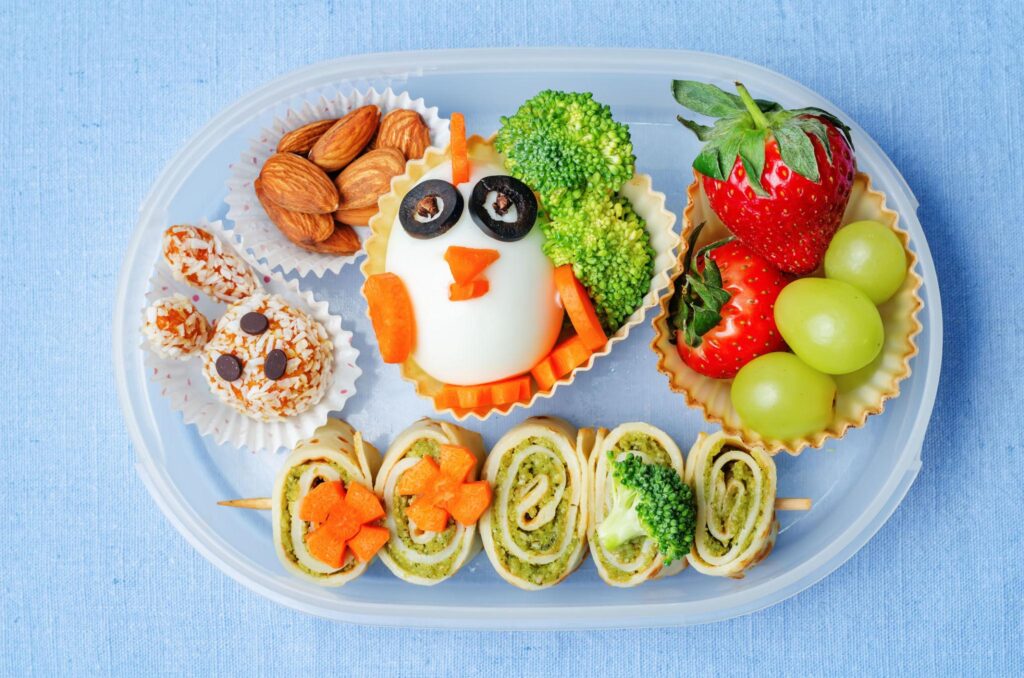
Packing a healthy lunchbox for preschool kids is essential for their growth, energy, and overall development. At a young age, children need balanced nutrition to stay active, focused, and happy throughout the day. A well-prepared lunchbox not only provides nutrients but also helps in building healthy eating habits from an early stage.
Parents often face challenges in packing meals that are both nutritious and appealing. Kids can be picky eaters, so it’s important to create lunchboxes that are colorful, tasty, and easy to eat. Including a variety of foods ensures that children receive all essential nutrients.
A good lunchbox should include a balance of carbohydrates, proteins, healthy fats, vitamins, and minerals. Simple and creative meal ideas can make lunchtime exciting for kids and encourage them to finish their meals.
1.Balanced Nutrition is Key for Healthy LunchBox
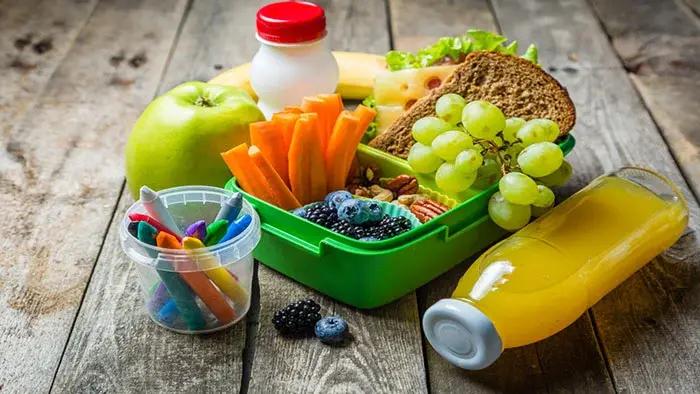
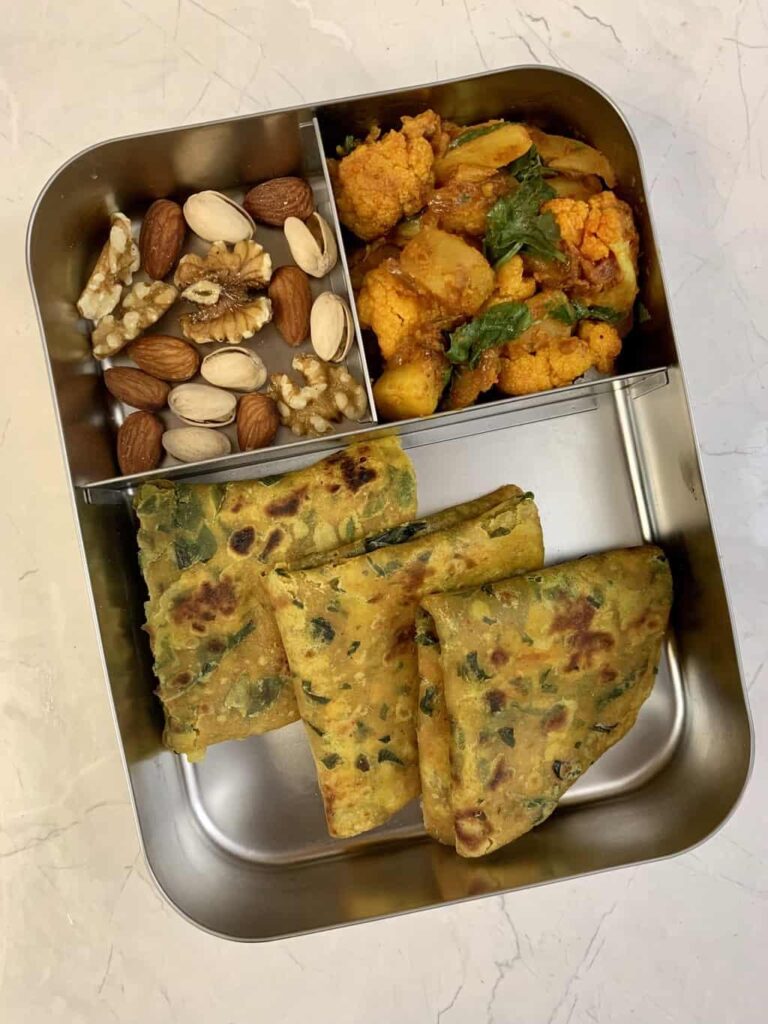
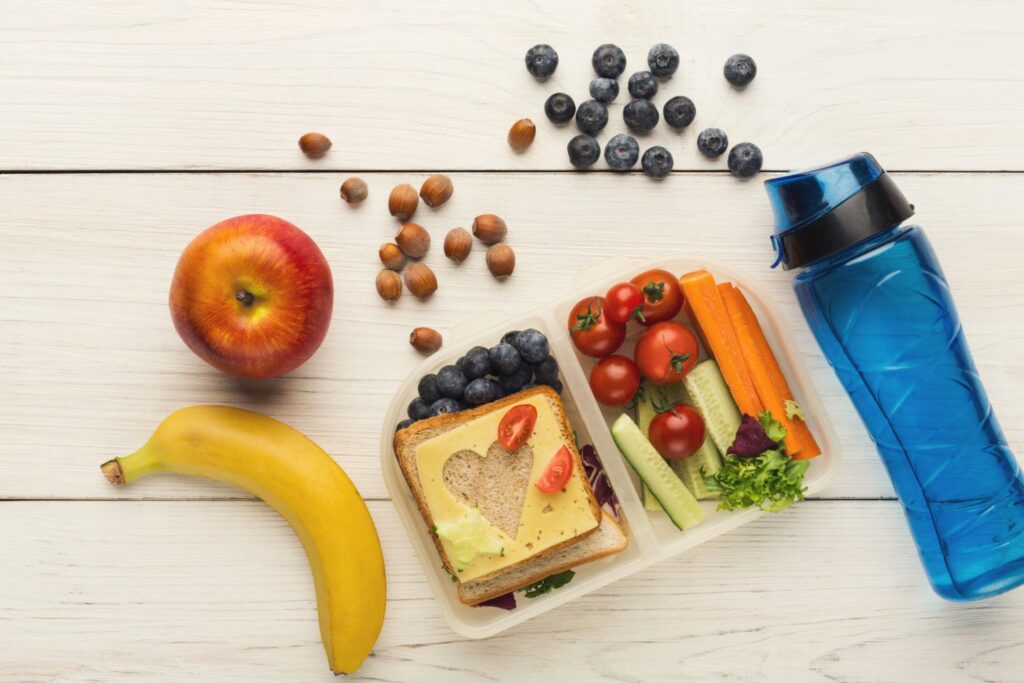
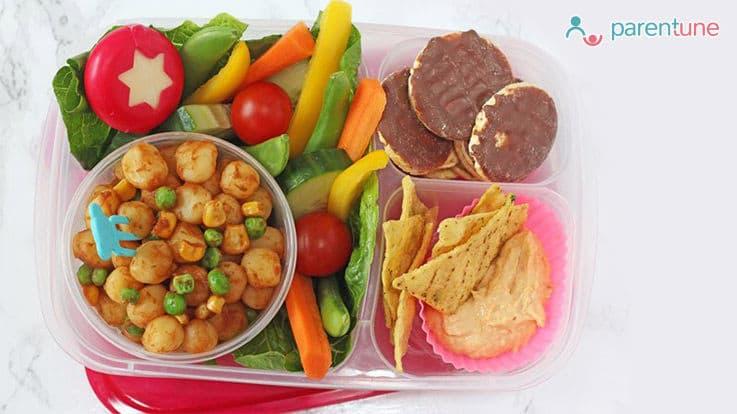
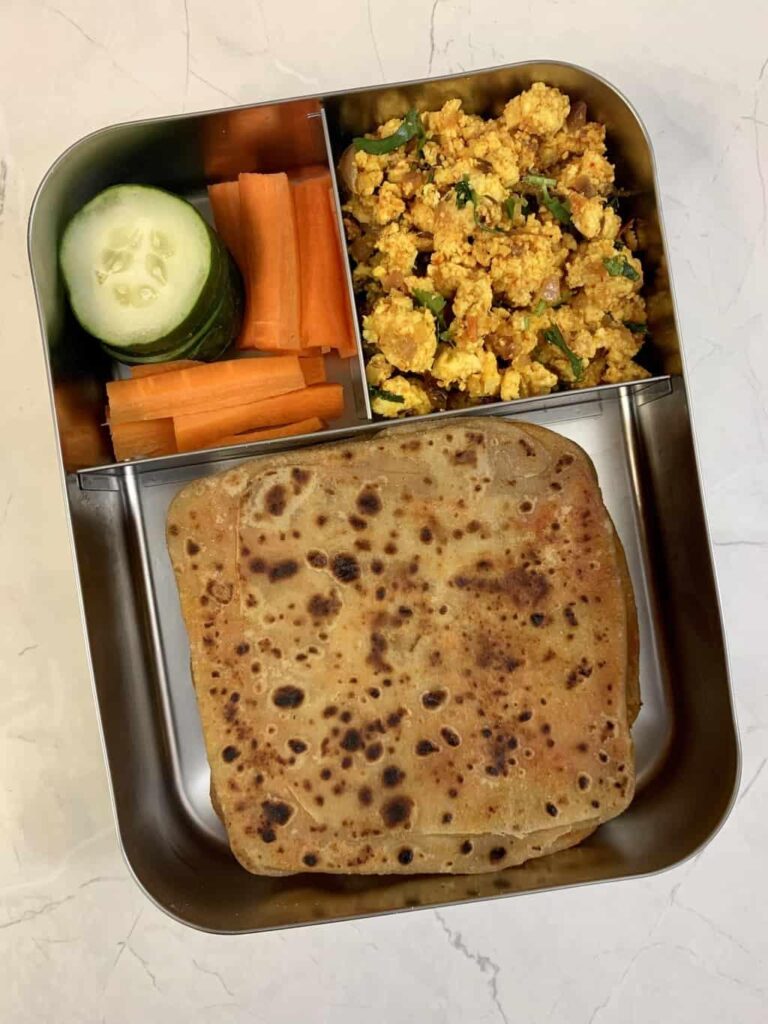
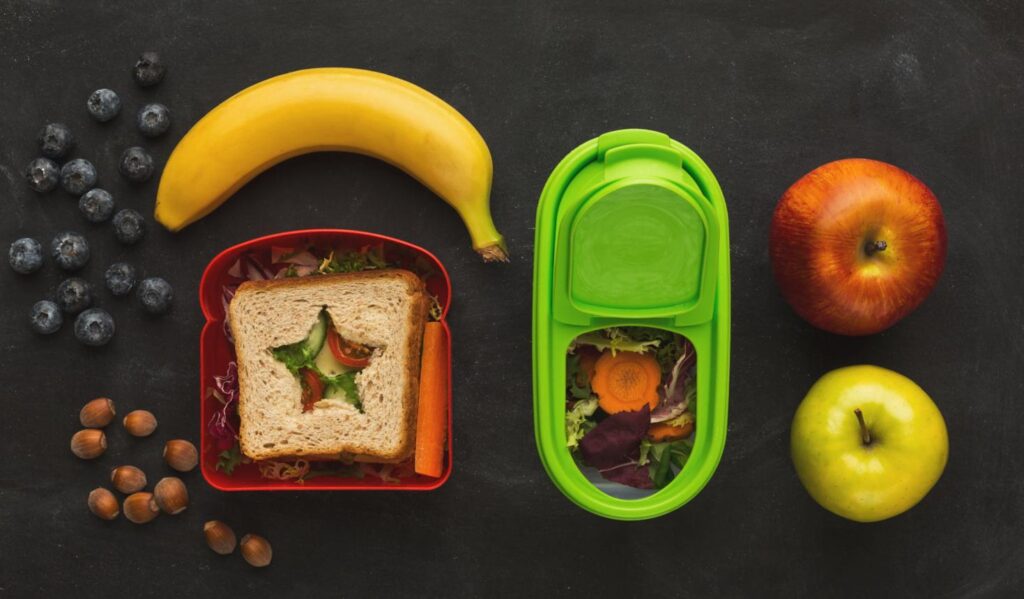
A balanced lunchbox is important to support a child’s physical and mental development. Including different food groups ensures that kids get the energy they need to play and learn. Carbohydrates like rice, roti, or bread provide energy, while proteins like eggs, paneer, or lentils help in growth and muscle development.
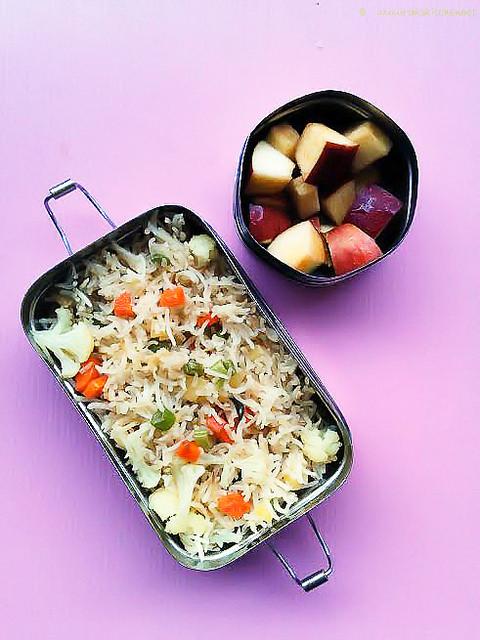
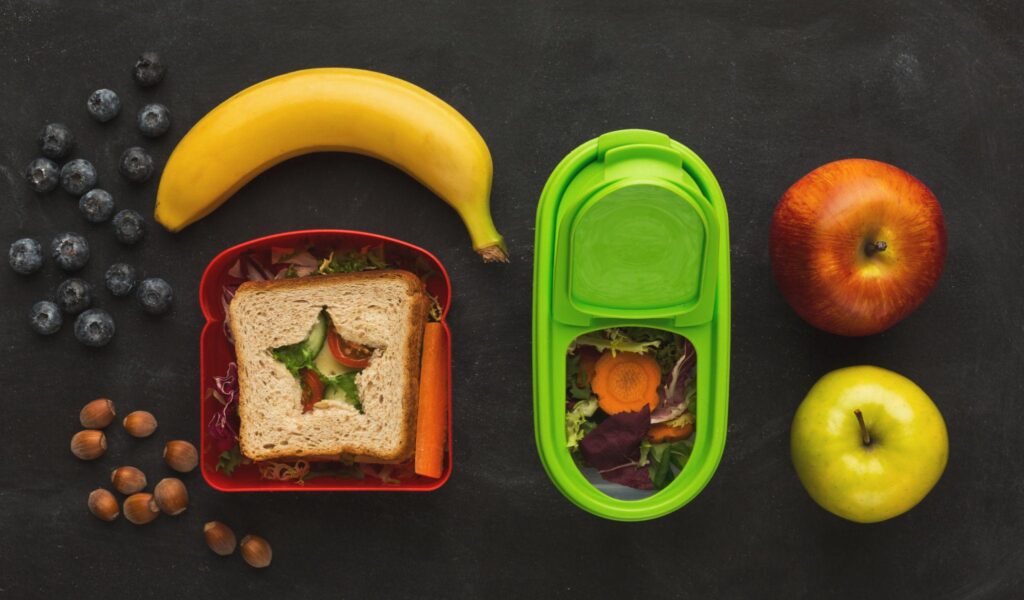
Fruits and vegetables are rich in vitamins and minerals, which help in boosting immunity and overall health. Adding colorful fruits like apples, bananas, or grapes makes the lunchbox more attractive and appealing for children. Vegetables can be included in creative ways like stuffed parathas or mixed rice.
Healthy fats such as nuts and seeds are also important for brain development. Including small portions of almonds or peanuts can add nutritional value to the meal. However, always ensure that the food is age-appropriate and easy to chew.
By maintaining a balance of nutrients, parents can ensure that their child stays energetic and focused throughout the preschool day.
2.Easy and Healthy Lunchbox Ideas
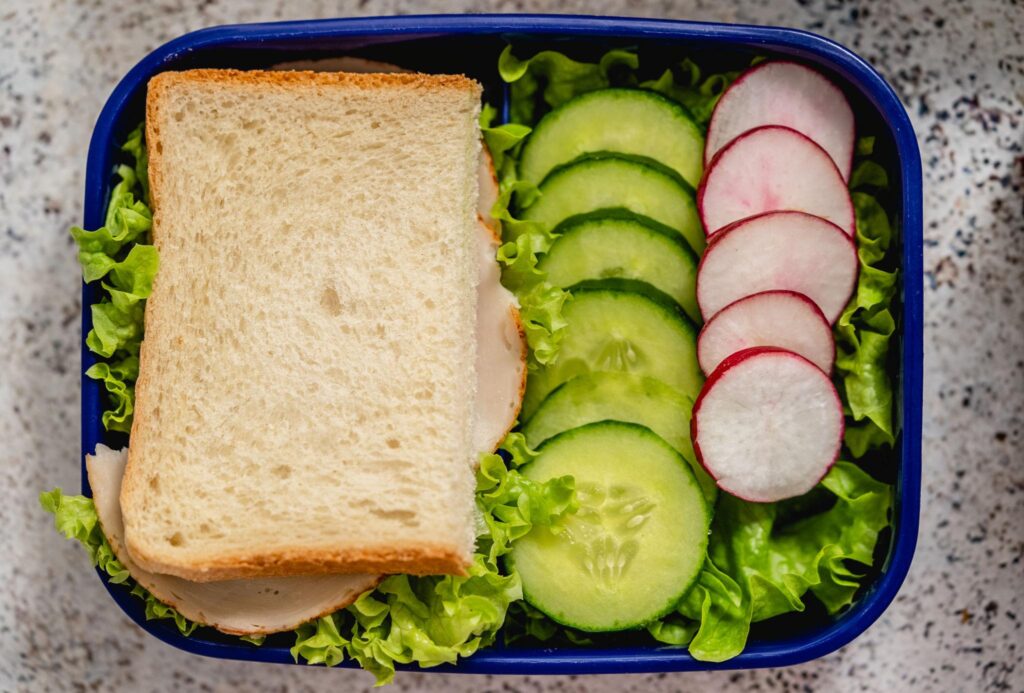
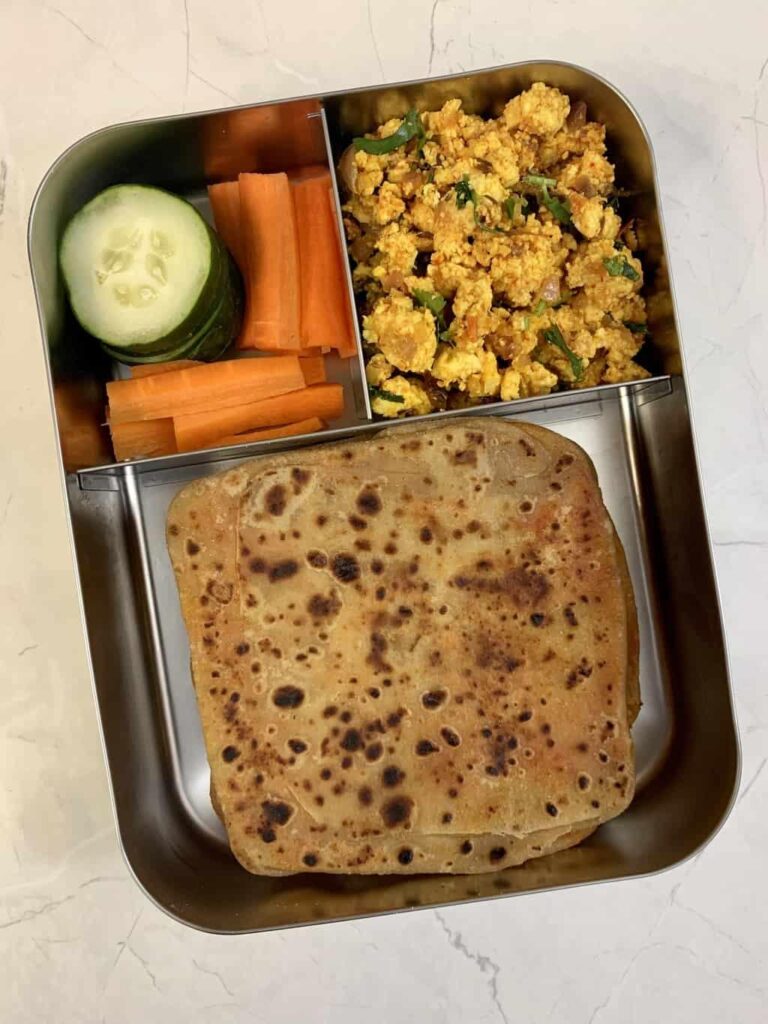
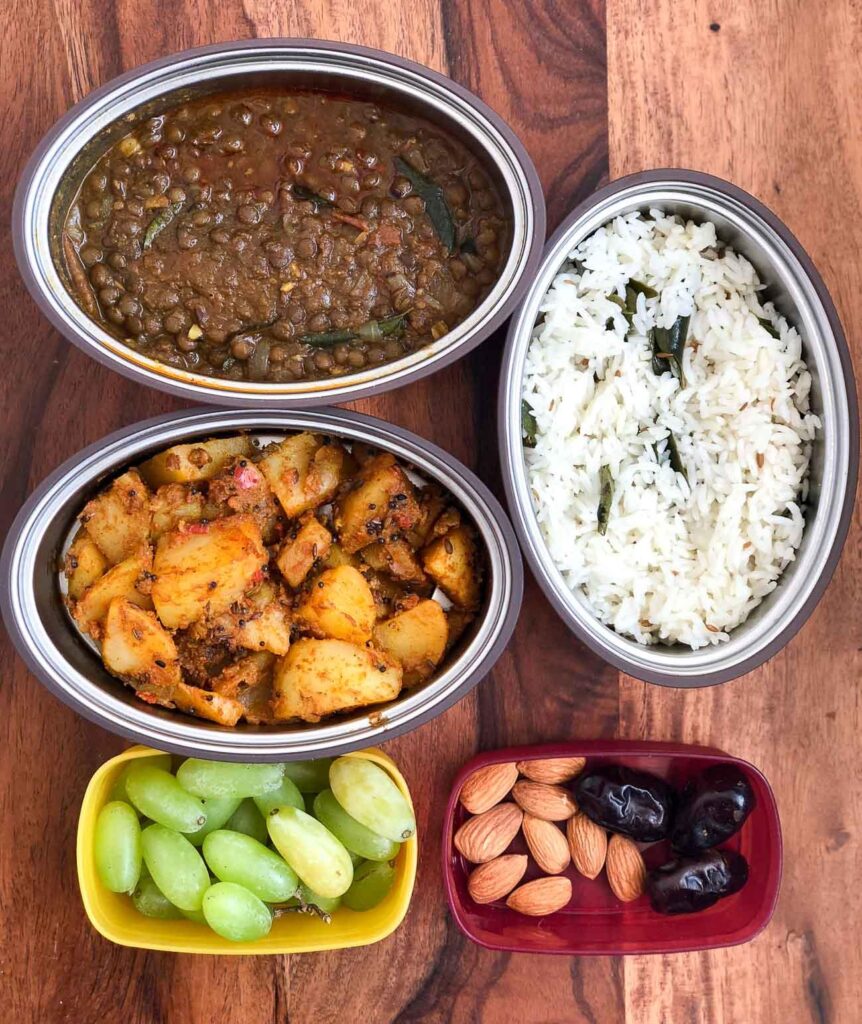
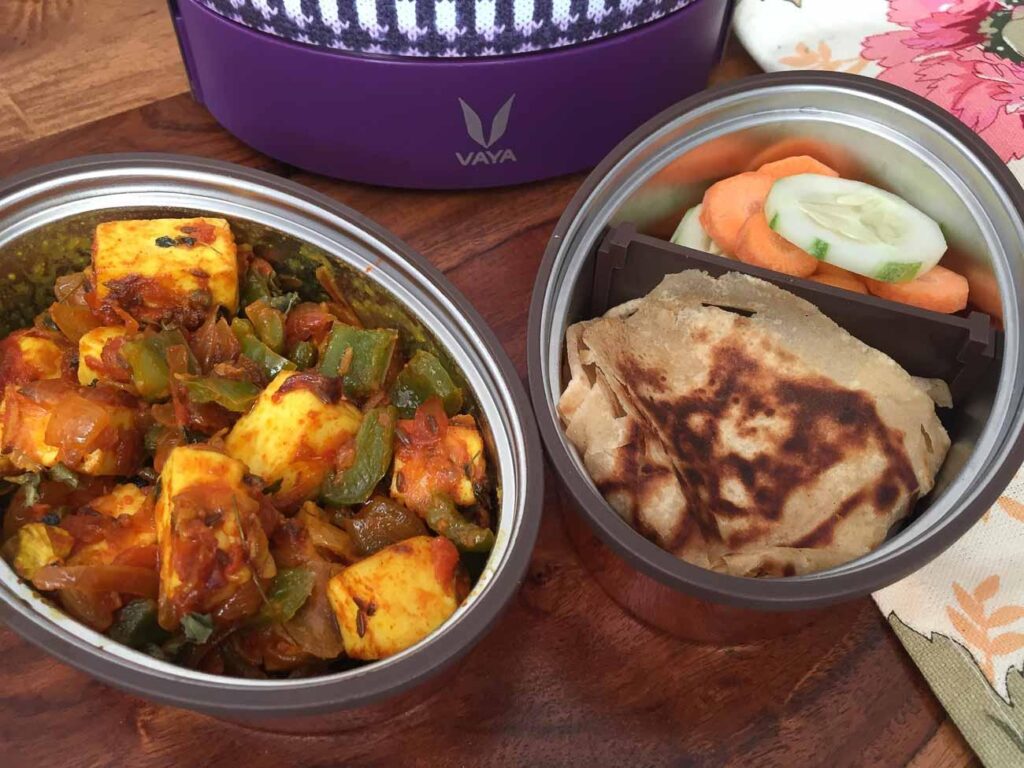
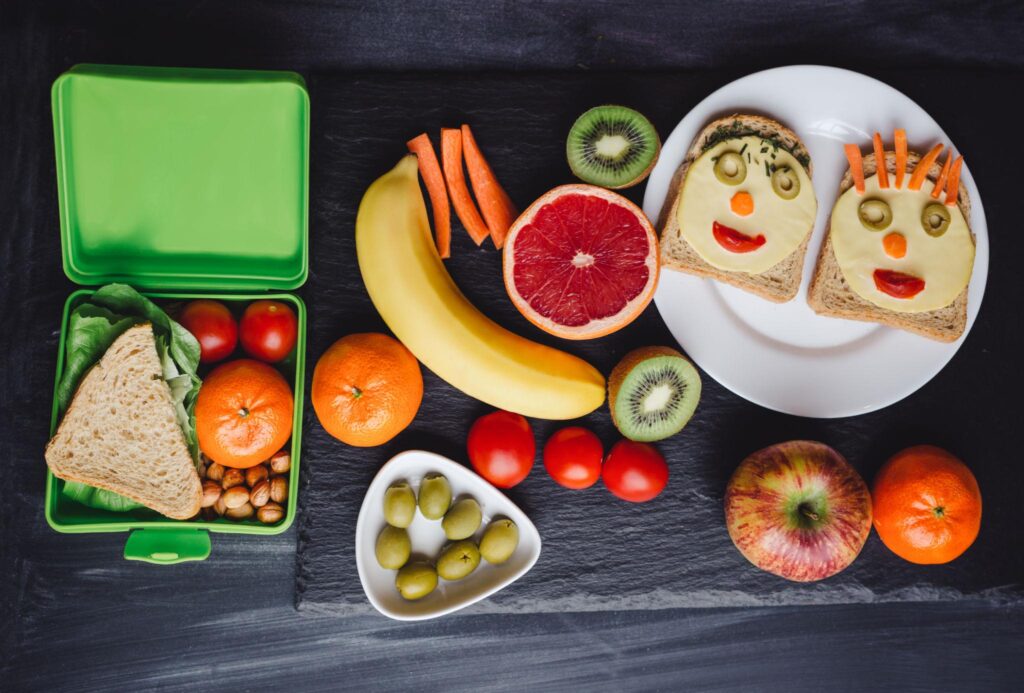
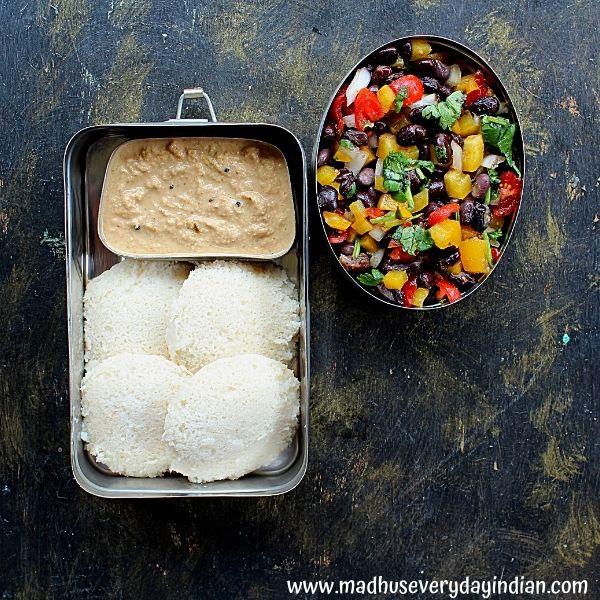
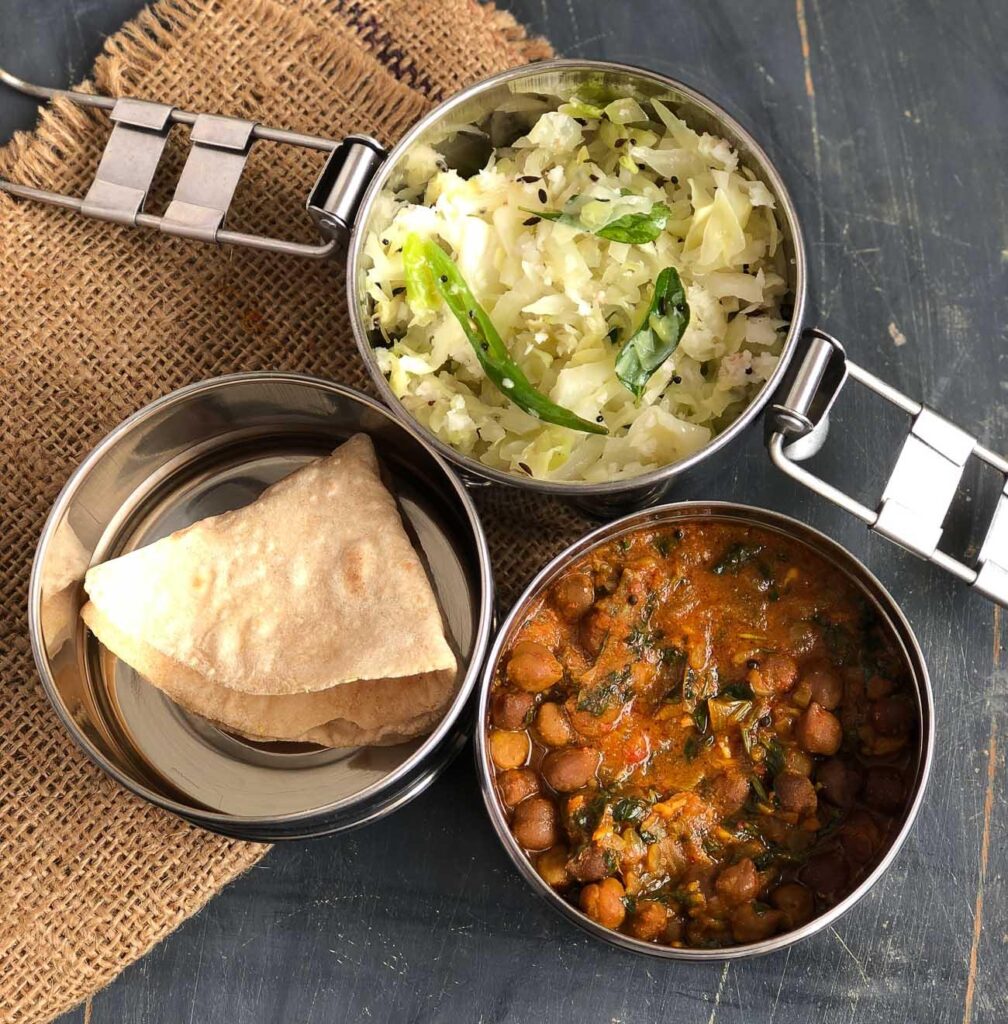
Simple and easy recipes work best for preschool lunchboxes. Items like vegetable sandwiches, mini idlis, dosa rolls, or paneer parathas are not only healthy but also easy for kids to eat. These meals can be prepared quickly and are perfect for busy mornings.
Parents can also include variety by rotating different dishes throughout the week. For example, one day can include lemon rice with peanuts, while another day can have chapati rolls with vegetables. Variety helps prevent boredom and encourages children to try new foods.
Finger foods are a great option for young kids. Small portions of cut fruits, boiled corn, or bite-sized snacks are easy to handle and less messy. This makes it convenient for children to eat independently.
The key is to keep meals simple, nutritious, and enjoyable so that kids look forward to their lunchtime every day.
3.Make Healthy Lunchbox Fun and Attractive
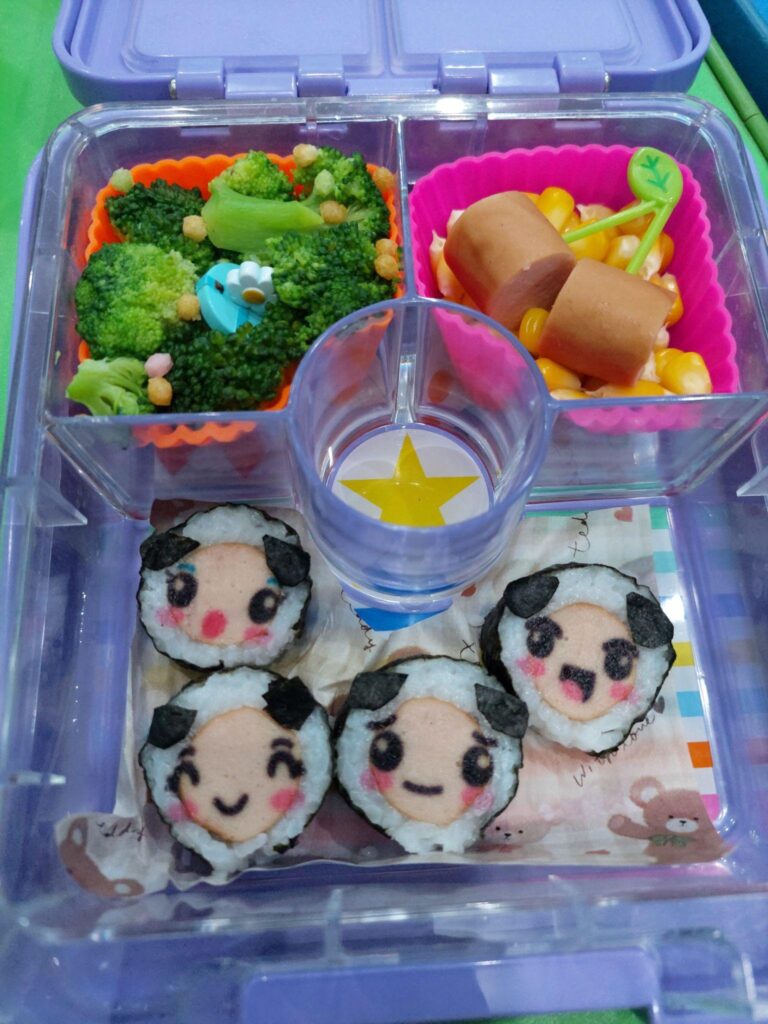
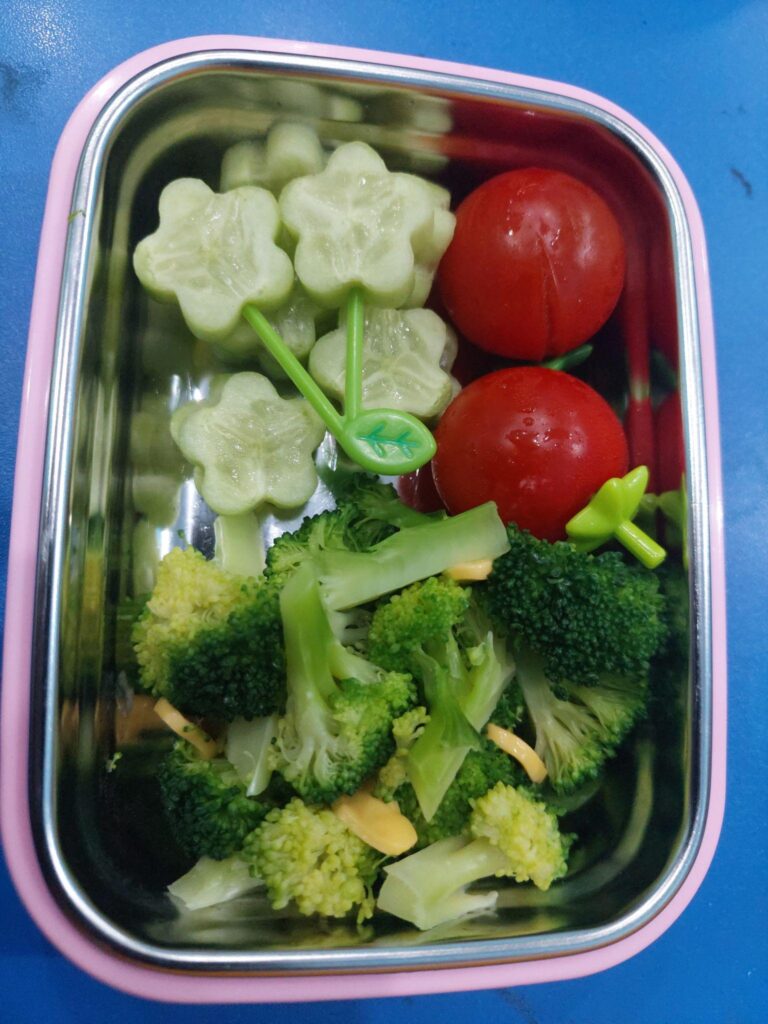
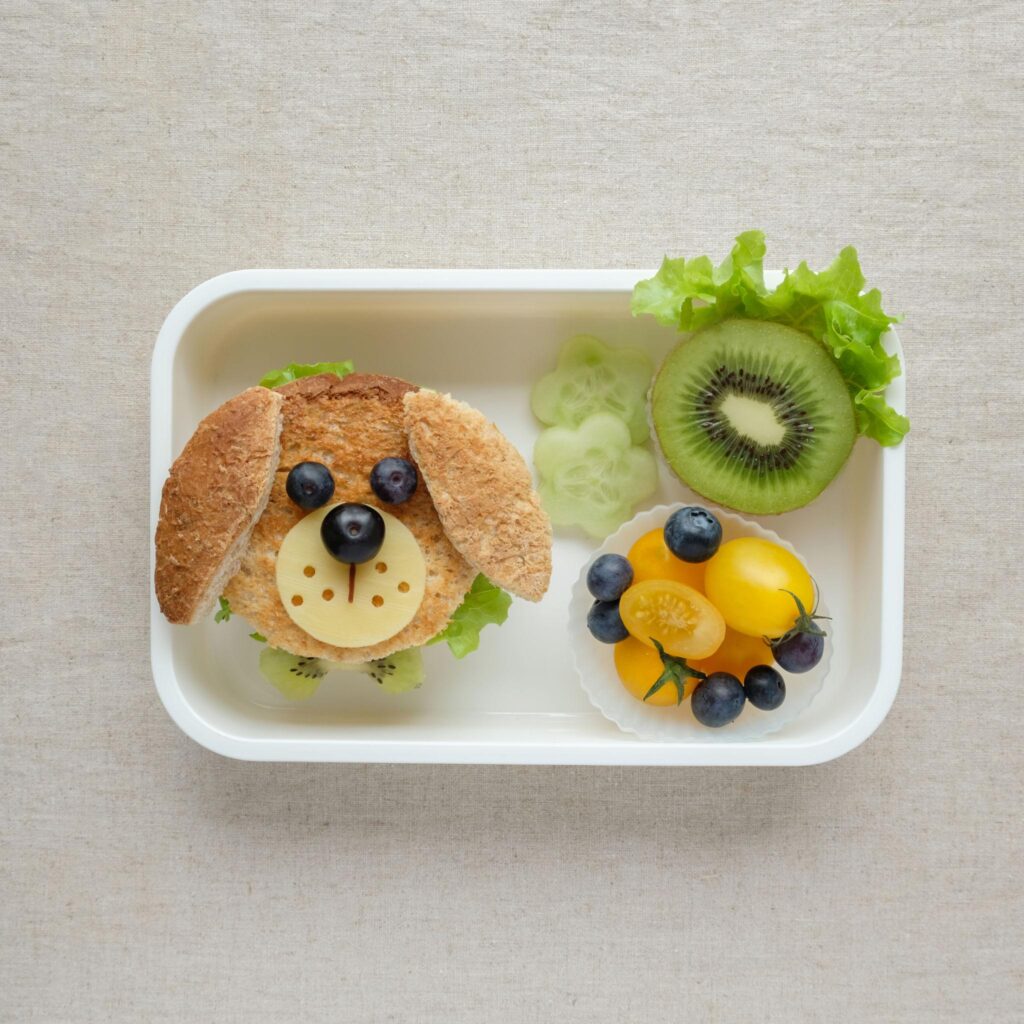
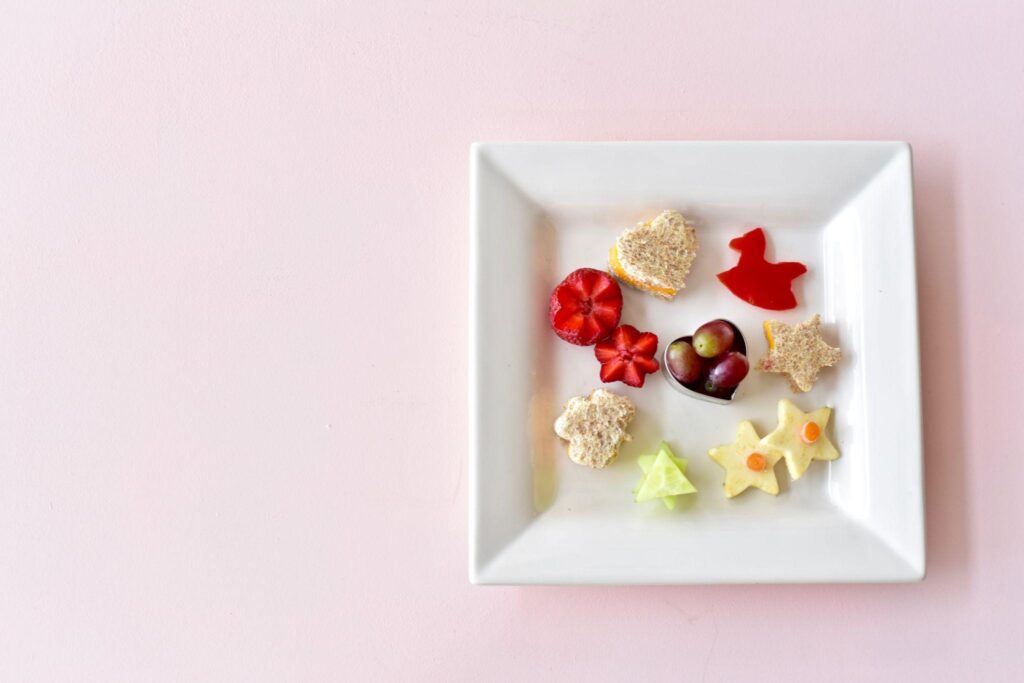
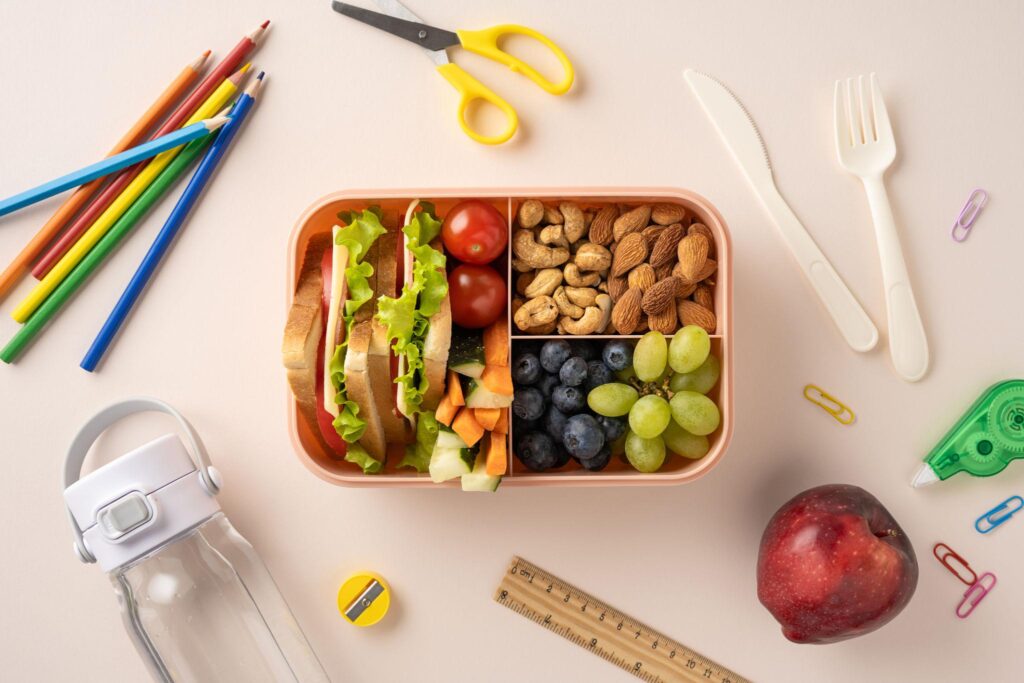
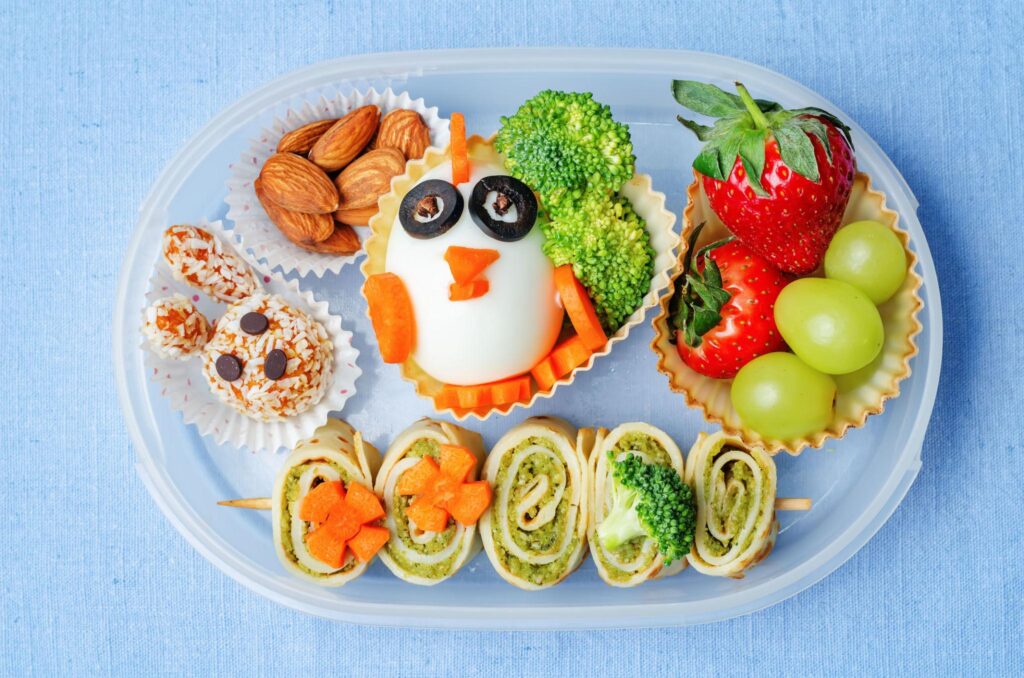
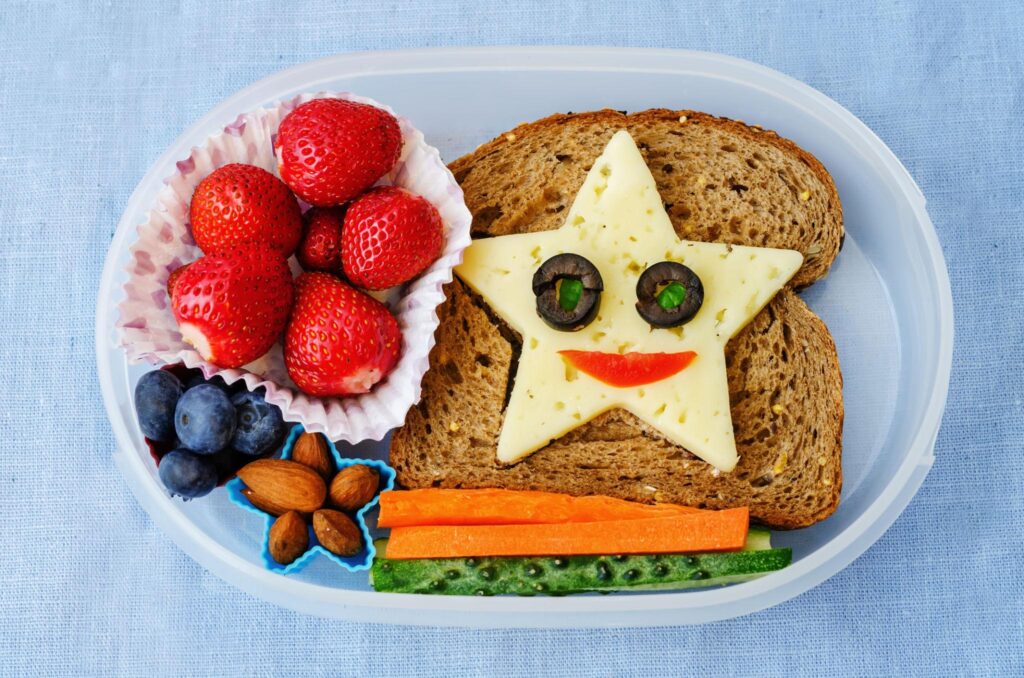
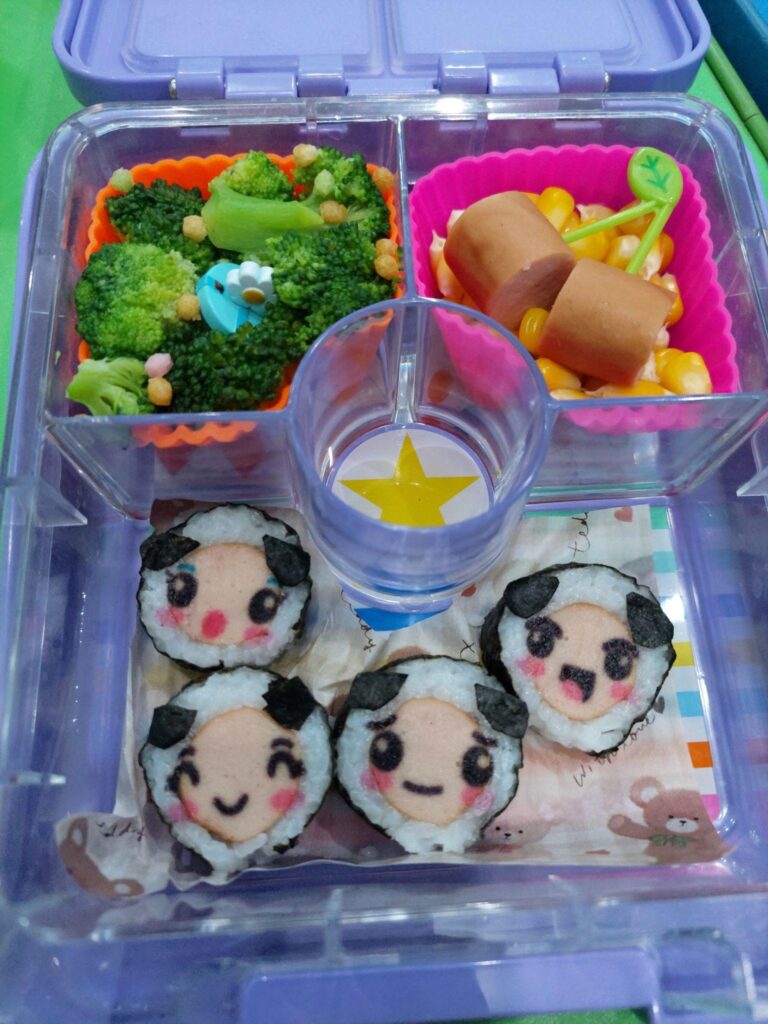
Presentation plays a big role in encouraging kids to eat their food. A colorful and creatively arranged lunchbox can make even simple meals exciting. Using different shapes, colors, and designs can grab a child’s attention.
Parents can use cookie cutters to make fun shapes like stars, hearts, or animals from sandwiches and fruits. Adding small surprises like a note or a favorite snack can also make lunchtime enjoyable.
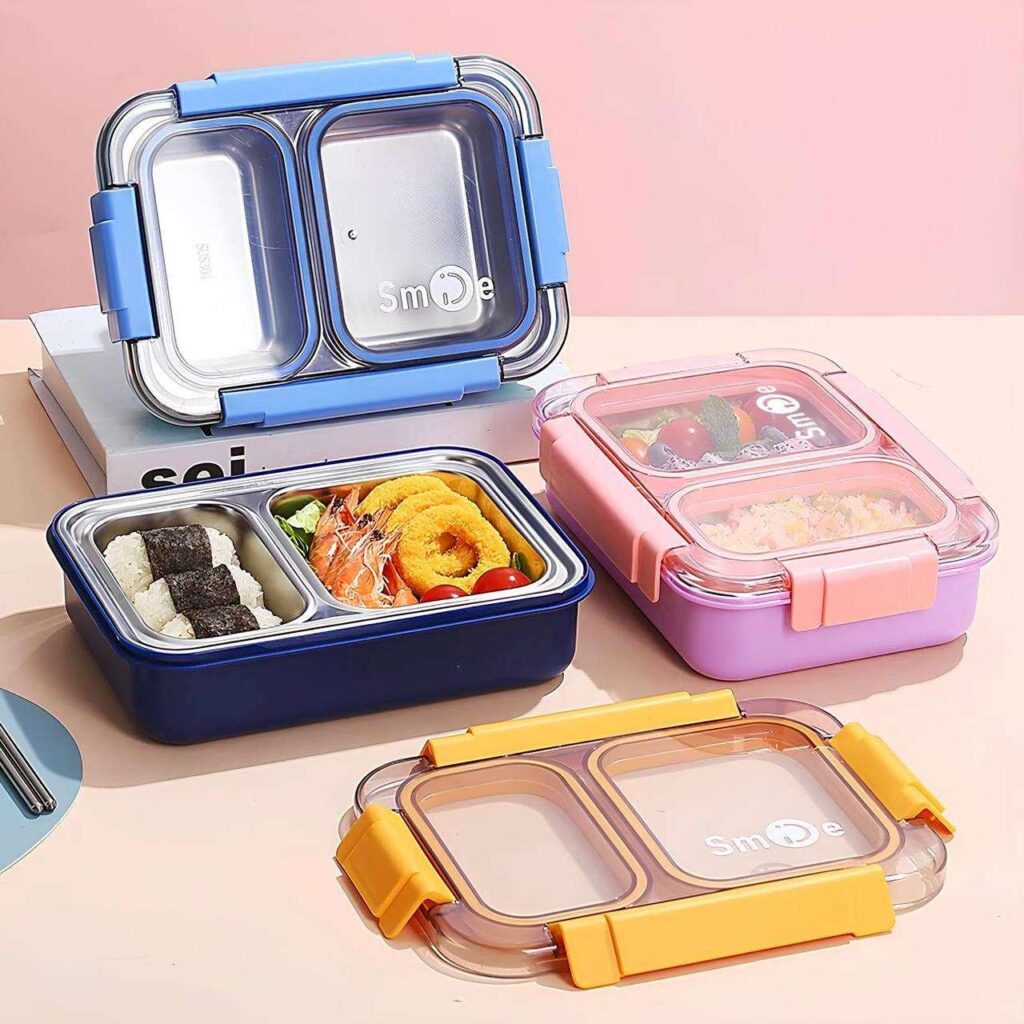
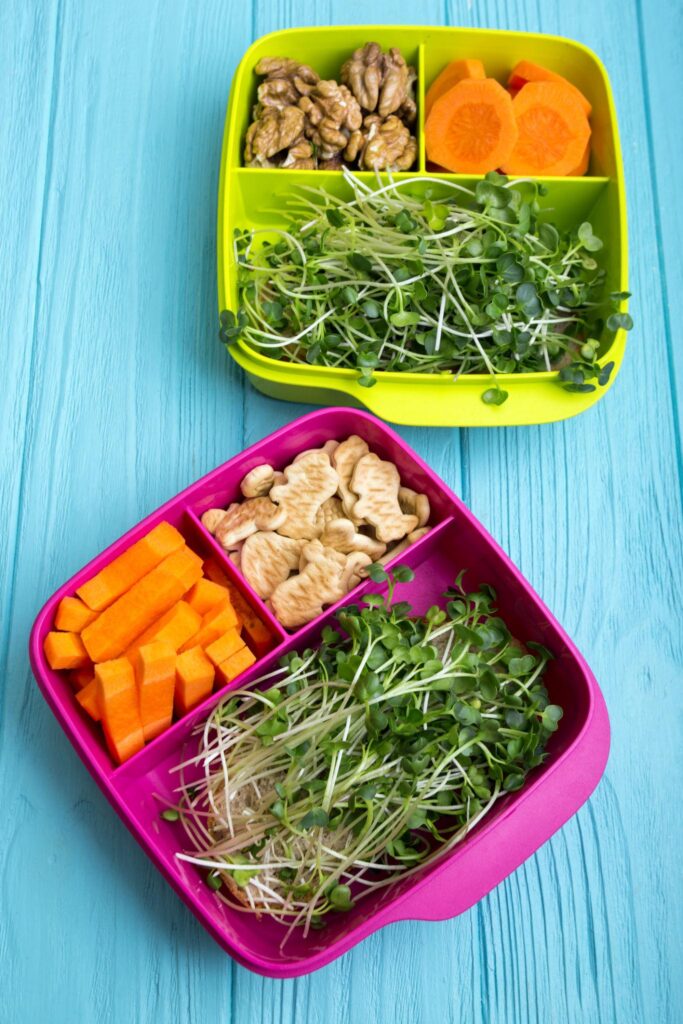
Using bright and attractive lunchboxes with compartments helps in organizing different food items neatly. This not only looks appealing but also keeps food fresh and separated.
When food looks fun and interesting, children are more likely to eat it happily without fuss.
4.Foods to Avoid in Preschool Lunchboxes
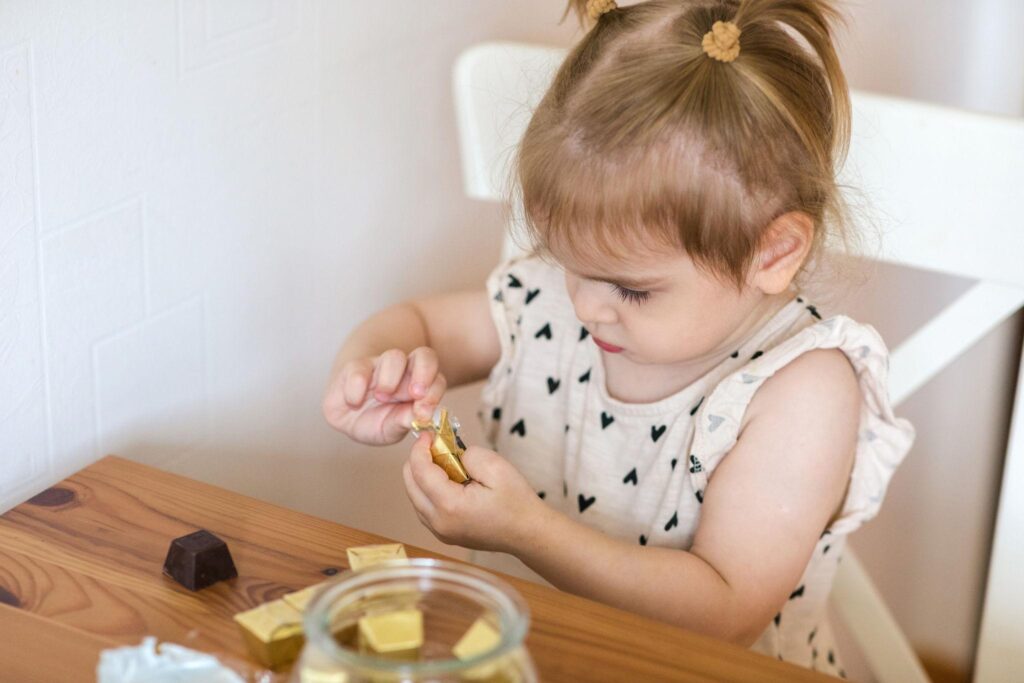
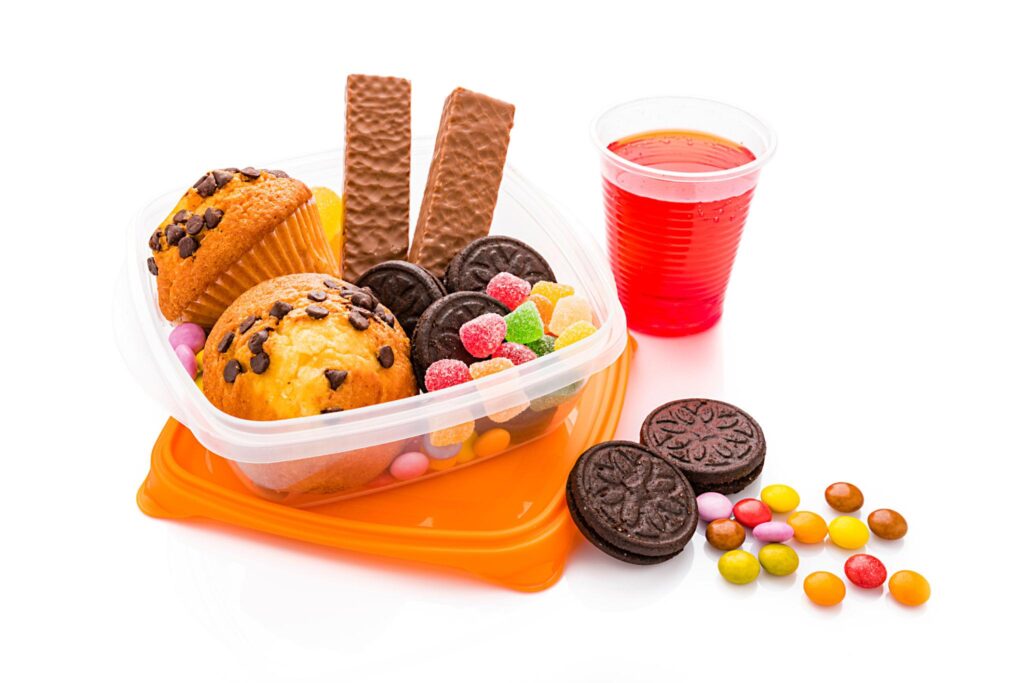
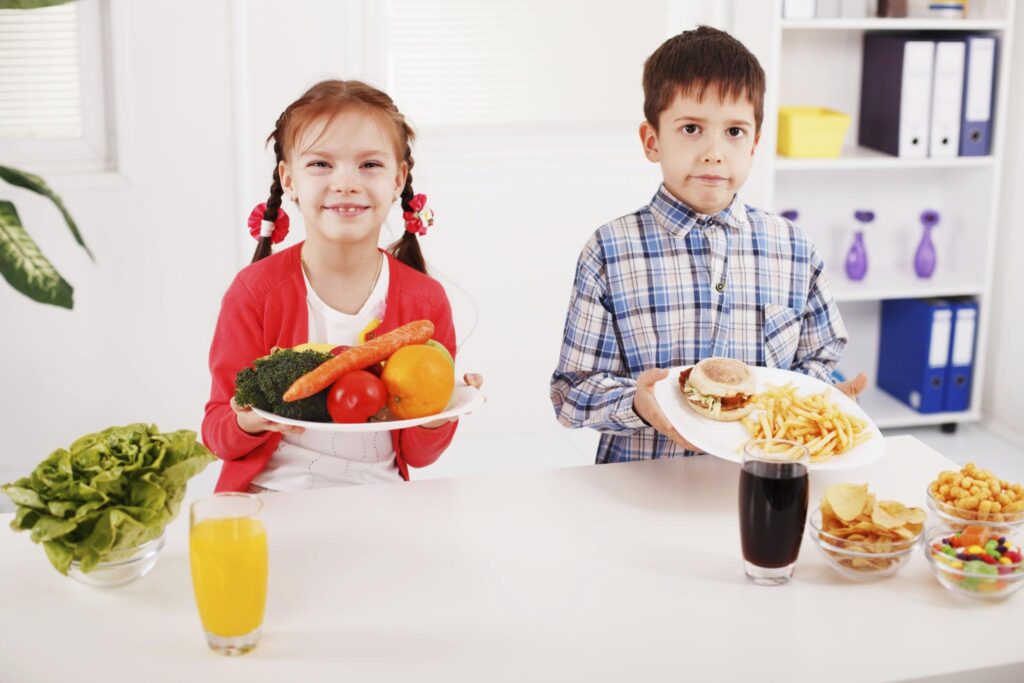
While packing lunchboxes, it is important to avoid unhealthy food options. Processed foods like chips, sugary snacks, and soft drinks should be limited as they provide little nutritional value.
Too much sugar and junk food can lead to low energy levels and poor concentration in children. These foods may also affect their long-term health and eating habits.
Fried and oily foods should also be avoided, as they can be heavy and difficult for young children to digest. Instead, parents should focus on fresh and homemade meals.
Encouraging healthy eating habits from an early age helps children develop a positive relationship with food and supports their overall well-being.
5.Importance of Hydration


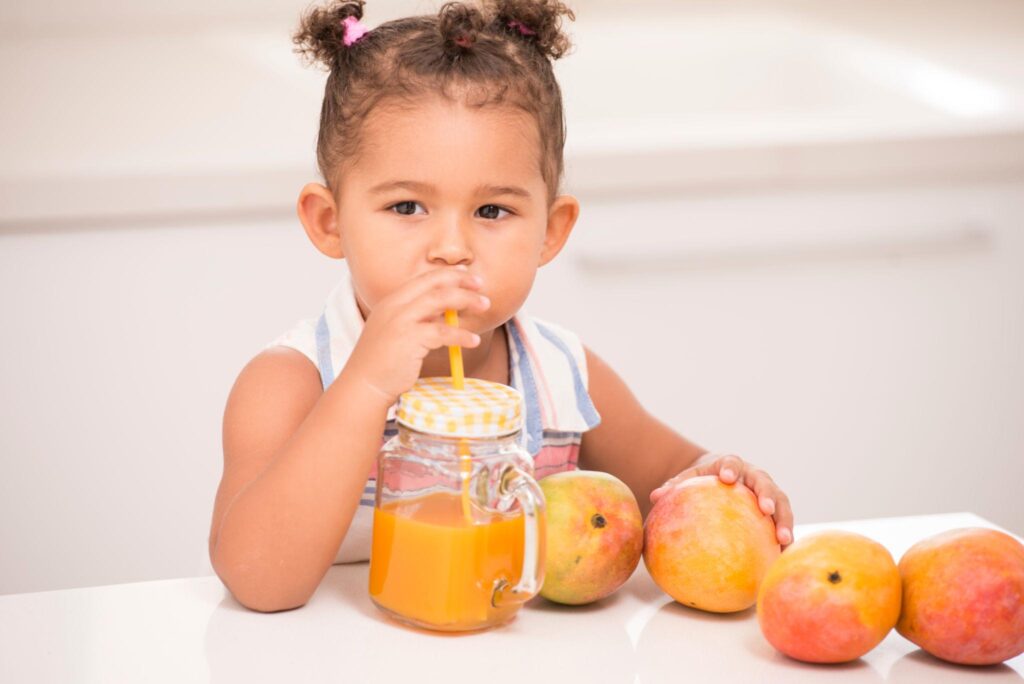

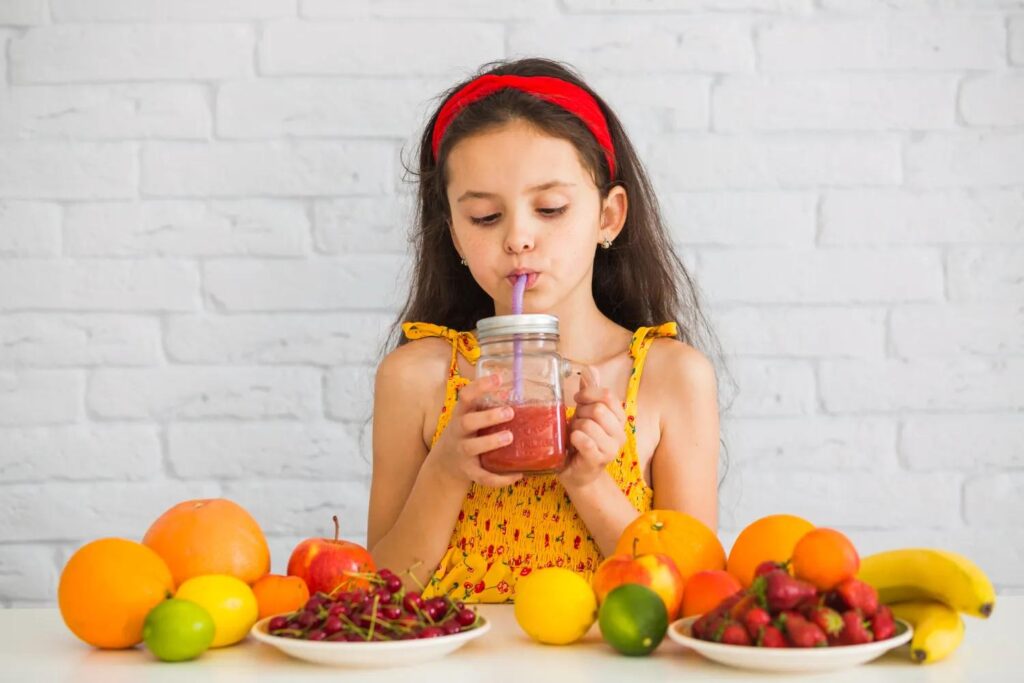
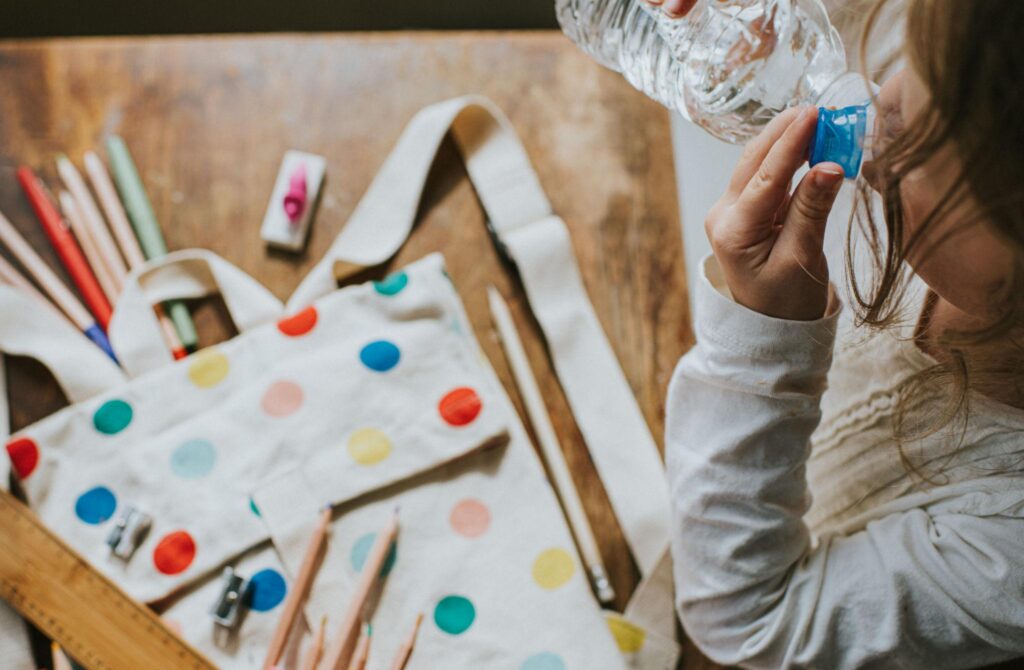
Hydration is just as important as food for young children. Kids need enough fluids to stay active and focused throughout the day. Water should always be included in the lunchbox.
Parents can also include healthy drinks like fresh fruit juices, coconut water, or milk. These provide additional nutrients and keep children refreshed.
Avoid sugary drinks and packaged juices, as they contain high sugar content and fewer nutrients. Natural and homemade drinks are always a better choice.
Teaching children the importance of drinking water regularly helps them stay healthy and develop good habits.
Conclusion
Packing a healthy lunchbox for preschool kids doesn’t have to be complicated. With a little planning and creativity, parents can provide nutritious and tasty meals that children will enjoy.
The focus should always be on balanced nutrition, variety, and presentation. Avoiding junk food and encouraging healthy eating habits can make a big difference in a child’s growth and development.
A well-prepared lunchbox not only nourishes the body but also builds lifelong healthy eating habits.